Daily Workflow Checklist for Care Coordinators
OnCare360
Dec 5, 2025
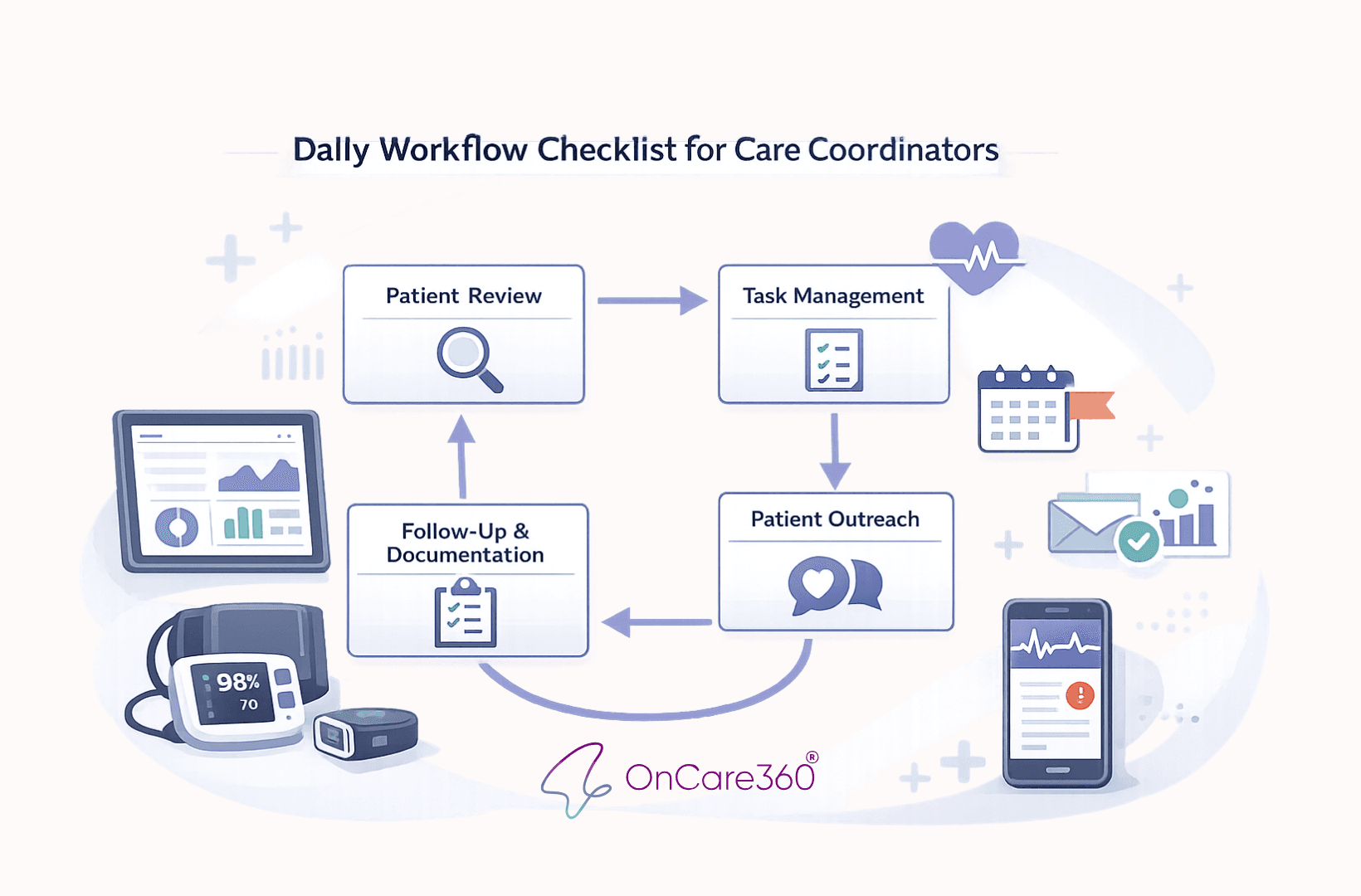
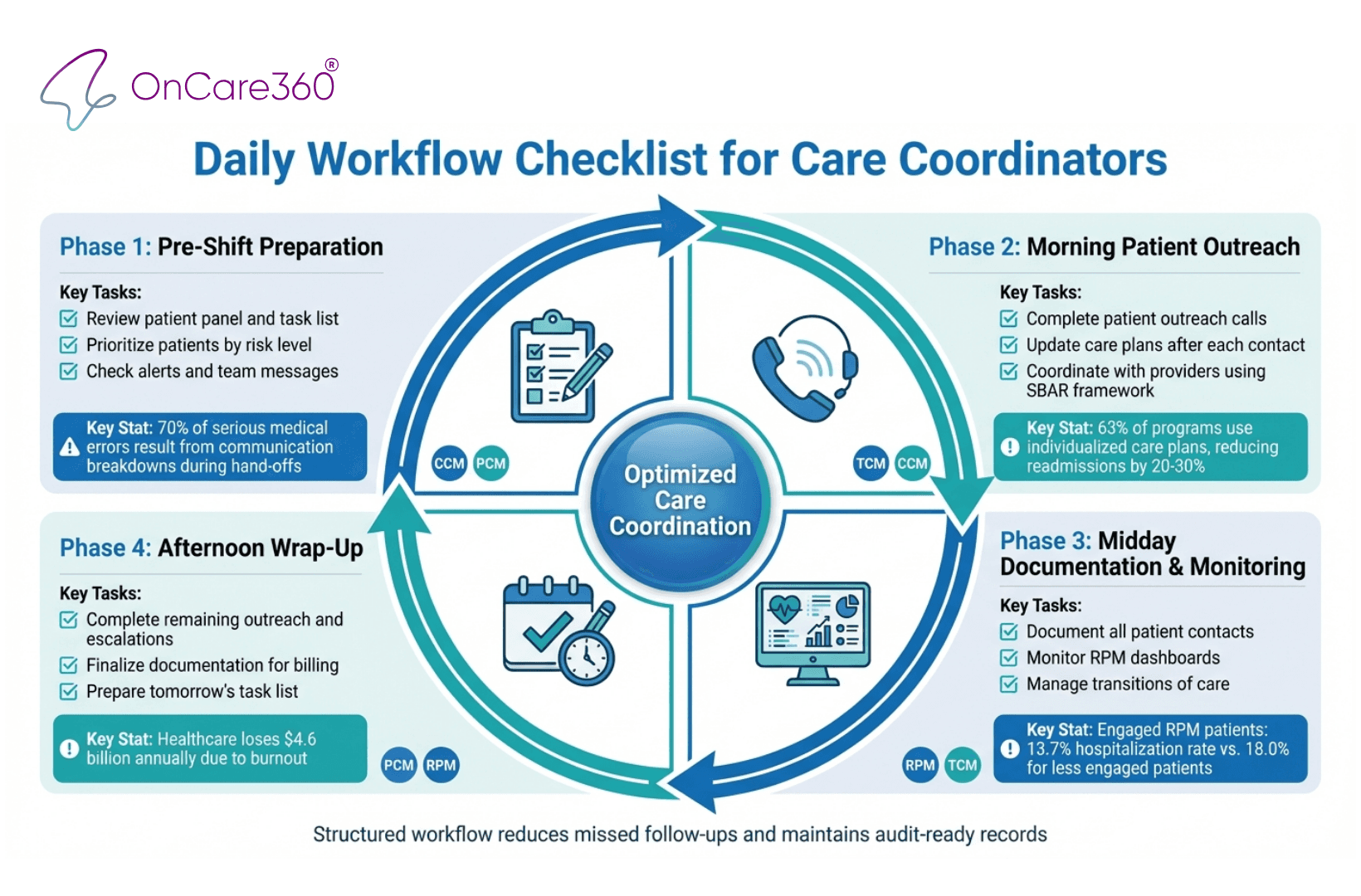
Care coordinators play a key role in managing Chronic Care Management (CCM), Remote Patient Monitoring (RPM), Transitional Care Management (TCM), and Principal Care Management (PCM) programs. These services ensure patient safety, reduce hospital readmissions, and meet Medicare compliance standards. However, without a structured workflow, coordinators face challenges like missed follow-ups, incomplete documentation, and burnout. This article introduces a daily workflow checklist to streamline tasks, prioritize high-risk patients, and maintain audit-ready records. Readers will learn actionable steps for pre-shift preparation, patient outreach, midday monitoring, and end-of-day planning to optimize care coordination and improve outcomes.
Daily Workflow Checklist for Care Coordinators: 4-Phase Task Guide
Pre-Shift Preparation Checklist
Starting your shift with a clear plan can make all the difference. Begin by reviewing your patient panel and alerts to streamline your workflow. Focus on identifying urgent needs and addressing critical alerts first. This proactive approach helps avoid last-minute scrambling and ensures you can dedicate time to the patients who need it most. Additionally, reviewing patient details and task lists allows you to pinpoint areas that require immediate attention.
Review Patient Panel and Task List
Log into your platform and assess overdue tasks, upcoming care transitions, and active CCM, RPM, and TCM enrollments. Pay close attention to expected discharge dates and transition plans to stay ahead of patient needs before they escalate into emergencies.
"Think of great care coordination as 'seeing around corners' on behalf of patients – helping them know what's next in their care and paving the way for care to happen more smoothly." - Robin Figueroa, Freed Associates
For pediatric patients, use the CSHCN Screener to identify children with special healthcare needs who may require extra support. Ensure discharge dates and updates are accurately reflected in the system to maintain data integrity. This step aligns your workflow with daily compliance goals and care coordination priorities.
Prioritize Patients by Risk Level
Sort patients based on risk factors such as recent hospital stays, abnormal RPM readings, or documented care gaps. For example, prioritize congestive heart failure patients showing sudden weight gains of 2 to 3 pounds, diabetes patients with hyperglycemia or hypoglycemia that could lead to ketoacidosis, or individuals with significant discrepancies between home and in-office blood pressure readings, which might indicate "white-coat" hypertension.
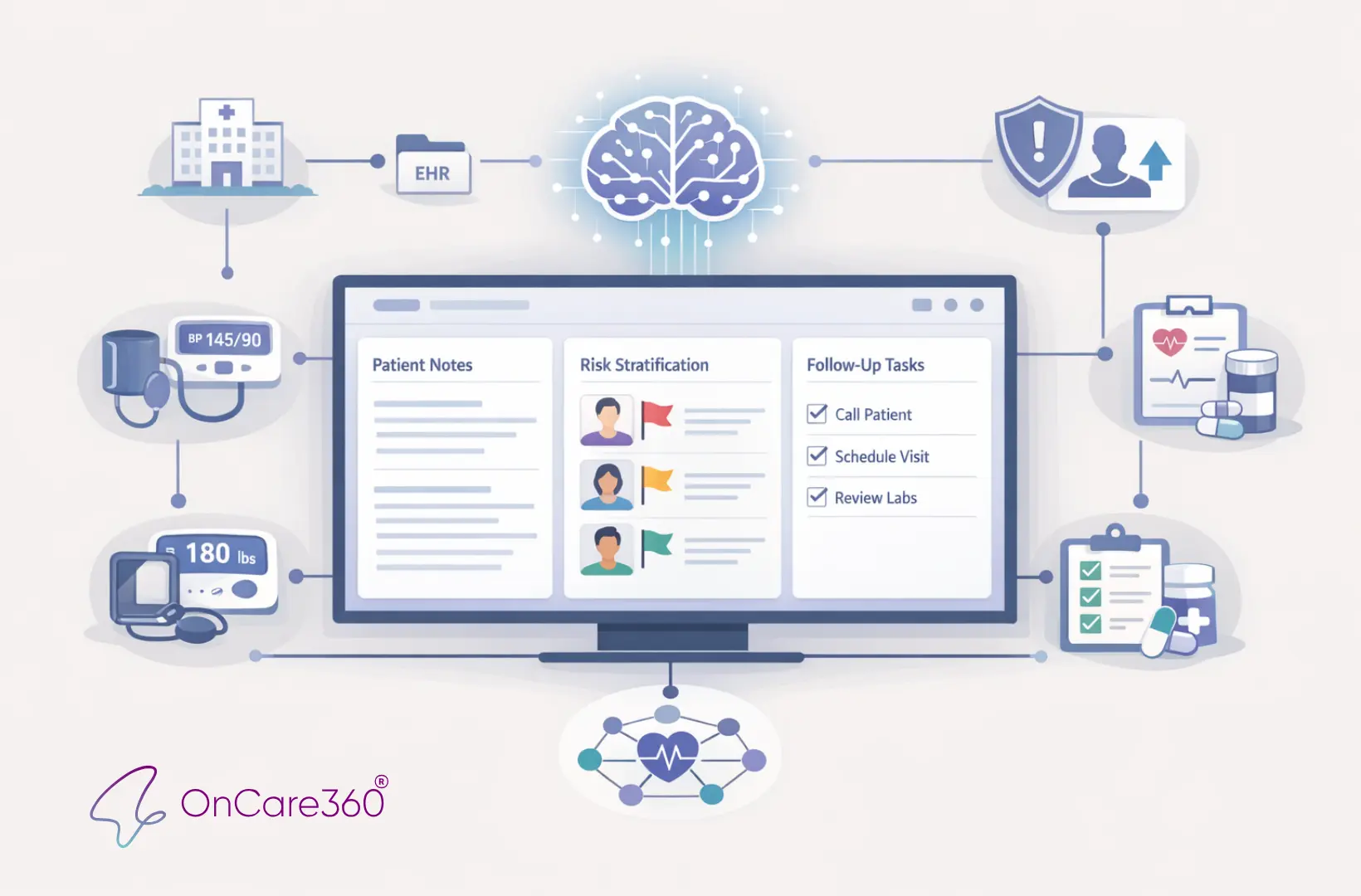
Tools like OnCare360's EHR-based risk stratification can help care coordinators quickly determine the appropriate level of care without relying on claims data. Advanced AI predictive models can even identify high-risk events, such as sepsis, up to 12 hours before symptoms appear, with accuracy rates as high as 0.94. Early detection of abnormal readings can significantly improve outcomes, as seen with 70% of high-risk diabetic patients lowering their A1C levels through RPM devices.
Check Alerts and Team Messages
Review unread messages and urgent updates from the care team, such as medication changes, abnormal lab results, or time-sensitive patient needs. Communication breakdowns during hand-offs account for 70% of serious medical errors, making this step essential. Pre-alerts for critical conditions like sepsis can dramatically reduce the time to administer IV fluids and antibiotics.
Differentiate between routine updates and actionable alerts to avoid alarm fatigue. When communicating urgent alerts, use the CUS technique (Concerned-Uncomfortable-Safety Issue) to emphasize the seriousness of the situation. Document every alert you review to ensure critical information follows the patient through all care transitions.
Alert Type | Impact of Pre-Shift Review | Potential Risk of Delay |
|---|---|---|
Abnormal RPM Readings | Enables immediate clinical action | Unnoticed clinical deterioration |
Care Transition Alerts | Supports resource and bed planning | Prolonged ambulance handovers or ED crowding |
Team Messages (Med Changes) | Prevents medication errors | Adverse drug events or delayed treatments |
Lab Results | Allows timely protocol initiation | Missed opportunities for time-critical interventions |
Morning Patient Outreach and Coordination
Mornings are an essential time for care coordinators to connect with patients, collect up-to-date health information, and address immediate concerns. This proactive approach sets the stage for effective care management throughout the day.
Complete Patient Outreach Calls
Before making outreach calls, ensure you have a complete picture of each patient’s health status. This includes reviewing their current diagnoses, medication lists, recent assessments, Social Determinants of Health (SDOH) needs, and any gaps in preventive care. Use your EMR's case-finding tools to prioritize high-risk patients, such as those with cognitive challenges, frequent Emergency Department (ED) visits, or chronic conditions like chronic kidney disease (CKD) and diabetes.
During each call, follow a structured checklist, particularly for monthly Chronic Care Management (CCM) interactions. Incorporate necessary screenings, such as cognitive or SDOH evaluations, and conduct medication reviews using resources like the Beers Criteria® or the Anticholinergic Burden scale. Employ motivational interviewing techniques to foster meaningful patient engagement and ensure they feel understood. If the patient has a caregiver, assess caregiver burden using tools such as the Zarit scale and provide guidance on connecting with community resources like the Area Agency on Aging.
"Workflow often means 'how you get needed work done.' But there is more science, discipline, and skill behind optimizing care management operational workflows." – Kathryn Anderton, BSN, RN, BC-RN, CCM, Vice President of Clinical Operations, ThoroughCare
Document each interaction promptly to ensure billing accuracy and to create a foundation for necessary follow-up actions. Following the outreach, update care plans to reflect the feedback and findings from the call.
Update Care Plans After Each Contact
Care plans should be updated in real time, using smart templates that translate assessment results into actionable goals. Incorporate shared decision-making into this process to align clinical objectives with the patient’s personal priorities.
Set automated task triggers to streamline follow-up actions. For instance, when a care plan goal is modified, tasks such as scheduling lab tests, ordering medical equipment, or arranging specialist consultations should be triggered immediately. Ensure that care plans address practical barriers like transportation, cultural considerations, and health literacy levels to make them achievable. Research shows that approximately 63% of programs integrating health and social services rely on individualized care plans, which can reduce hospital readmissions by 20–30% for high-risk patients.
For issues requiring immediate attention, escalate them efficiently through structured communication.
Coordinate with Providers and Clinical Staff
When urgent concerns arise - such as abnormal vital signs, medication-related issues, or concerning symptoms - escalate them to the appropriate provider using the SBAR framework (Situation, Background, Assessment, Recommendation). This standardized approach ensures clarity and promotes a shared understanding among team members.
Before reaching out to a provider, organize key details using an SBAR worksheet and confirm instructions through a repeat-back process. Document all escalations in the EHR to maintain a clear record and meet billing requirements. Given that communication breakdowns contribute to over 70% of sentinel events, structured escalation protocols are critical for maintaining patient safety.
Midday Documentation and Monitoring
Midday responsibilities build on the foundation set during pre-shift preparations and morning outreach, focusing on maintaining accurate records and addressing potential clinical concerns early. This time is dedicated to finalizing morning notes, analyzing RPM data for irregularities, and ensuring smooth care transitions. Proper documentation supports billing compliance, while proactive monitoring helps address issues before they escalate.
Document All Patient Contacts
Record every patient interaction promptly, allocating specific time slots to complete notes instead of leaving them for the end of the shift. Delaying documentation increases the risk of losing critical details or leaving records incomplete. Ensure notes are concise, factual, and meet billing standards. Key details to include are daily vitals like blood pressure, oxygen saturation, and temperature, along with medication administration times, doses, and any behavioral observations such as mood changes, fatigue, or dizziness. For example, CARE Homecare highlights that "Consistent documentation is the backbone of successful 24-hour care".
Once your records are up-to-date, shift your attention to reviewing RPM data for any concerning trends.
Monitor RPM Dashboards
Midday offers an excellent opportunity to check RPM dashboards for irregular readings or patterns that may require follow-up. Many platforms use AI to flag anomalies when patient vitals exceed clinical thresholds. As the first point of contact for this data, care coordinators play a critical role in triaging alerts, identifying clinical concerns, and spotting low patient engagement - such as missed readings. Follow up immediately by scheduling tasks for device troubleshooting, sending reminders, or offering patient support. For instance, a Mayo Clinic COVID-19 RPM program revealed that engaged patients had a 30-day hospitalization rate of 13.7%, compared to 18.0% for those who were less engaged.
Ensure your platform logs the time spent reviewing dashboard data to meet billing criteria for CPT codes 99457 and 99458. With RPM monitoring complete, focus on care transitions to maintain continuity of care.
Manage Transitions of Care
For patients enrolled in Transitional Care Management (TCM), midday is a crucial time to confirm that all transition-related tasks are completed and post-discharge plans are in place. Verify that discharge summaries have been reviewed, medication reconciliations are documented, and follow-up visits are scheduled within 5 to 7 days of discharge. The American Association for Community Psychiatry underscores the importance of planning early, stating, "Transition planning should begin at the time of admission to any level of care and should be a part of the treatment plan".
Conduct a quick audit of your TCM caseload to ensure no patient is overlooked. Confirm that each patient knows who to contact for issues like medication access or changes in their condition. Address any gaps - such as missing discharge summaries or unscheduled follow-up appointments - immediately, following your organization’s protocols. Research shows that effective care transitions can lower readmission rates, reduce emergency room visits, and improve adherence to care plans.
Afternoon Wrap-Up and Next-Day Planning
The last hours of a shift are an opportunity to tie up loose ends and set the stage for a smooth start tomorrow. By completing outreach, finalizing billing documentation, and organizing a prioritized task list, you can close the day with clarity and confidence. A structured wrap-up routine minimizes missed follow-ups and ensures the next day begins with clear direction. Focus on addressing pending tasks and managing escalations with a methodical approach.
Complete Remaining Outreach and Escalations
Afternoons are ideal for reconnecting with patients who were unavailable earlier in the day. Go through your task queue to identify missed calls or pending interactions, and aim to complete these before your shift ends. For more complex patient concerns requiring provider input or additional resources, break the issue into smaller, manageable steps. For instance, instead of a broad task like "Resolve Mrs. Johnson's medication concerns", outline specific actions such as: "Review her current medication list", "Contact the pharmacy to confirm refill availability", and "Schedule a callback with the provider for 10:00 AM tomorrow."
Before wrapping up, review notes from colleagues or caregivers to catch late-day escalations. Focus on concise, actionable updates like "Refused lunch" or "Reported poor sleep", which are easier for team members to scan and act on. This ensures critical details are communicated effectively between shifts, maintaining consistent and safe patient care.
Finalize Documentation for Billing
Ensure all patient encounters are accurately documented and ready for billing review. Services that are not documented cannot be billed, so verify that ICD-10-CM diagnoses, CPT/HCPCS codes, and Medical Decision Making (MDM) align with the clinical notes to justify medical necessity. Authenticate each entry with your signature to meet compliance requirements.
Use an end-of-day checklist to confirm that patient health records are complete, objective, and error-free before submitting them. For time-based billing - common in programs like Chronic Care Management (CCM), Remote Patient Monitoring (RPM), and Transitional Care Management (TCM) - log patient contact time precisely to reflect the actual duration of services provided.
"Clinical documentation should take place as quickly as possible in order to ensure accuracy as well as overall patient care and safety." - Aaron Cawthorn, Indiana Wesleyan University
Take time to review entries for unnecessary copy-pasted details, avoiding "note bloat" in the EHR. Focus on medically relevant information to maintain clarity and compliance. Once documentation is finalized, shift your attention to planning for the next day.
Prepare Tomorrow's Task List
Create a task list for the next day based on due dates, RPM trends, and patient risk levels to maintain continuity of care. Summarize the day’s key events, noting successes and areas of concern, to help prioritize tasks for tomorrow. Highlight complex cases that may need additional resources, and use automated risk scoring tools to identify patients requiring immediate attention, such as those with cognitive decline, frequent emergency department visits, or high resource utilization.
Separate tasks into two categories: Priority Tasks (urgent and time-sensitive) and Secondary Tasks (non-urgent).
"Reflect on your day's successes and areas of improvement. Such reflections can inform more effective checklists in the future." - Miro Team
Assign specific time slots for tasks to prevent delays and maintain a balanced schedule. Include reminders or notes for follow-ups to ensure no detail is overlooked. This preparation safeguards consistent care and supports patient safety across shifts.
Care Coordinator Well-Being and Workflow Optimization
In the fast-paced world of care coordination, taking care of your own well-being is essential for maintaining high performance. Burnout is a costly issue, with U.S. healthcare losing approximately $4.6 billion annually due to its impact, and 27% of organizations experiencing physician turnover through early retirement or resignation. By thoughtfully managing your workload, addressing inefficiencies, and staying connected with your team, you can find a balance that supports both your job satisfaction and the quality of patient care.
Assessing Workload and Stress
At the end of each shift, take a moment to evaluate your stress and workload. If you’re frequently overwhelmed, it may be time to establish firm boundaries, like setting a clear end time for your workday. Studies show that primary care physicians spend more than half of their day on administrative tasks, which can contribute to burnout. To manage this, distinguish between essential clinical duties and administrative work that can be delegated, such as scheduling or insurance verification.
Incorporate short breaks into your day to recharge. Even micro-breaks under 10 minutes can enhance productivity. Simple breathing exercises, like Kapalabhati to increase focus before your shift or Sheetkari to calm down after a stressful interaction, can make a difference. Before heading home, allow yourself a brief moment to unwind - whether through quiet reflection or light activity - to help transition out of work mode.
"Purpose is the anchor that keeps you steady through the storms of stress. When you stay connected to your why, you are more likely to experience fulfillment, even in high-pressure environments."
Jordan Zawaydeh, Research Associate, Healing Breaths
Streamlining Workflow and Reporting Issues
Just as you work to simplify patient care processes, it’s important to refine your own workflows. Keep track of recurring issues that slow things down, such as long wait times or redundant data entry. Use metrics like average chart-closing times or claim denial rates to identify inefficiencies and set improvement goals. If informal workarounds emerge - unofficial shortcuts staff use due to broken processes - flag these for your supervisor to address.
Before making major changes, test new ideas on a small scale using Plan-Do-Study-Act (PDSA) cycles. For instance, if documentation is a bottleneck, try using EHR tools like dot phrases or macros to speed up routine entries. A real-world example comes from New York-Presbyterian/Weill Cornell, where a geriatric unit implemented a nurse-driven checklist called "CHIEF O" during rounds. This simple, structured verbal checklist helped eliminate CAUTIs for 10 consecutive months and achieved a seven-month stretch without CLABSIs.
"Effective delegation isn't about avoiding responsibilities. It's about strategically distributing tasks to make room for what you do best - providing excellent therapeutic care."
Vivian Chung Easton, Clinical Product Lead, Blueprint
Engaging in Team Huddles and Ongoing Training
Daily team huddles lasting just 5–10 minutes can help align priorities, share updates, and address potential problems before they escalate. These quick check-ins build collaboration and ensure workflow improvements carry over across shifts. Given that 46% of physicians see reducing administrative tasks as key to alleviating burnout, such meetings are vital for distributing work more effectively.
Dedicate time each week to training and staying up to date on CCM, RPM, and TCM program requirements. Cross-training not only broadens skills but also fosters teamwork and flexibility. Monthly care team meetings provide an opportunity to discuss progress, address challenges, and identify risks before they become critical. Additionally, keeping a reflection journal after shifts can help you process the emotional demands of the job and reduce the risk of compassion fatigue.
FAQs
How can care coordinators use risk factors to prioritize patient care?
Care coordinators can enhance patient care by concentrating on individuals at greater health risk, such as those managing chronic illnesses, experiencing frequent hospital admissions, or navigating intricate medication schedules. Prioritizing these patients helps mitigate potential complications and ensures timely, proactive interventions.
A practical way to streamline this effort is by conducting daily reviews of patient records to pinpoint high-risk cases. This enables coordinators to plan outreach efforts effectively. Such a structured approach not only supports better health outcomes but also improves workflow efficiency and minimizes the chances of overlooked follow-ups.
What should care coordinators do to prepare for their shift each day?
To kick off the day on the right foot, care coordinators should prioritize a few essential preparation steps. Start by reviewing patient records to pinpoint priorities and verify that all information is current. Arrange outreach tasks by urgency and individual patient needs, ensuring a structured approach to the day’s responsibilities. Lastly, double-check that all necessary tools, resources, and documentation are in place. This thoughtful preparation not only helps streamline daily workflows but also minimizes stress and ensures critical tasks aren’t missed.
How does tracking RPM data help improve patient care?
Monitoring Remote Patient Monitoring (RPM) data is essential for enhancing patient care. It allows healthcare teams to identify potential health issues early, often catching concerns before they develop into serious complications. This early detection supports timely interventions, helping to reduce hospital admissions and promote better long-term health outcomes.
Beyond early detection, tracking RPM data ensures patients follow their care plans, whether it’s adhering to prescribed medications or maintaining healthier lifestyle choices. By maintaining consistent communication with patients between visits, care coordinators can offer tailored support, boost patient engagement, and strengthen overall health management efforts.
Daily Workflow Checklist for Care Coordinators: 4-Phase Task Guide
Pre-Shift Preparation Checklist
Starting your shift with a clear plan can make all the difference. Begin by reviewing your patient panel and alerts to streamline your workflow. Focus on identifying urgent needs and addressing critical alerts first. This proactive approach helps avoid last-minute scrambling and ensures you can dedicate time to the patients who need it most. Additionally, reviewing patient details and task lists allows you to pinpoint areas that require immediate attention.
Review Patient Panel and Task List
Log into your platform and assess overdue tasks, upcoming care transitions, and active CCM, RPM, and TCM enrollments. Pay close attention to expected discharge dates and transition plans to stay ahead of patient needs before they escalate into emergencies.
"Think of great care coordination as 'seeing around corners' on behalf of patients – helping them know what's next in their care and paving the way for care to happen more smoothly." - Robin Figueroa, Freed Associates
For pediatric patients, use the CSHCN Screener to identify children with special healthcare needs who may require extra support. Ensure discharge dates and updates are accurately reflected in the system to maintain data integrity. This step aligns your workflow with daily compliance goals and care coordination priorities.
Prioritize Patients by Risk Level
Sort patients based on risk factors such as recent hospital stays, abnormal RPM readings, or documented care gaps. For example, prioritize congestive heart failure patients showing sudden weight gains of 2 to 3 pounds, diabetes patients with hyperglycemia or hypoglycemia that could lead to ketoacidosis, or individuals with significant discrepancies between home and in-office blood pressure readings, which might indicate "white-coat" hypertension.
Tools like OnCare360's EHR-based risk stratification can help care coordinators quickly determine the appropriate level of care without relying on claims data. Advanced AI predictive models can even identify high-risk events, such as sepsis, up to 12 hours before symptoms appear, with accuracy rates as high as 0.94. Early detection of abnormal readings can significantly improve outcomes, as seen with 70% of high-risk diabetic patients lowering their A1C levels through RPM devices.
Check Alerts and Team Messages
Review unread messages and urgent updates from the care team, such as medication changes, abnormal lab results, or time-sensitive patient needs. Communication breakdowns during hand-offs account for 70% of serious medical errors, making this step essential. Pre-alerts for critical conditions like sepsis can dramatically reduce the time to administer IV fluids and antibiotics.
Differentiate between routine updates and actionable alerts to avoid alarm fatigue. When communicating urgent alerts, use the CUS technique (Concerned-Uncomfortable-Safety Issue) to emphasize the seriousness of the situation. Document every alert you review to ensure critical information follows the patient through all care transitions.
Alert Type | Impact of Pre-Shift Review | Potential Risk of Delay |
|---|---|---|
Abnormal RPM Readings | Enables immediate clinical action | Unnoticed clinical deterioration |
Care Transition Alerts | Supports resource and bed planning | Prolonged ambulance handovers or ED crowding |
Team Messages (Med Changes) | Prevents medication errors | Adverse drug events or delayed treatments |
Lab Results | Allows timely protocol initiation | Missed opportunities for time-critical interventions |
Morning Patient Outreach and Coordination
Mornings are an essential time for care coordinators to connect with patients, collect up-to-date health information, and address immediate concerns. This proactive approach sets the stage for effective care management throughout the day.
Complete Patient Outreach Calls
Before making outreach calls, ensure you have a complete picture of each patient’s health status. This includes reviewing their current diagnoses, medication lists, recent assessments, Social Determinants of Health (SDOH) needs, and any gaps in preventive care. Use your EMR's case-finding tools to prioritize high-risk patients, such as those with cognitive challenges, frequent Emergency Department (ED) visits, or chronic conditions like chronic kidney disease (CKD) and diabetes.
During each call, follow a structured checklist, particularly for monthly Chronic Care Management (CCM) interactions. Incorporate necessary screenings, such as cognitive or SDOH evaluations, and conduct medication reviews using resources like the Beers Criteria® or the Anticholinergic Burden scale. Employ motivational interviewing techniques to foster meaningful patient engagement and ensure they feel understood. If the patient has a caregiver, assess caregiver burden using tools such as the Zarit scale and provide guidance on connecting with community resources like the Area Agency on Aging.
"Workflow often means 'how you get needed work done.' But there is more science, discipline, and skill behind optimizing care management operational workflows." – Kathryn Anderton, BSN, RN, BC-RN, CCM, Vice President of Clinical Operations, ThoroughCare
Document each interaction promptly to ensure billing accuracy and to create a foundation for necessary follow-up actions. Following the outreach, update care plans to reflect the feedback and findings from the call.
Update Care Plans After Each Contact
Care plans should be updated in real time, using smart templates that translate assessment results into actionable goals. Incorporate shared decision-making into this process to align clinical objectives with the patient’s personal priorities.
Set automated task triggers to streamline follow-up actions. For instance, when a care plan goal is modified, tasks such as scheduling lab tests, ordering medical equipment, or arranging specialist consultations should be triggered immediately. Ensure that care plans address practical barriers like transportation, cultural considerations, and health literacy levels to make them achievable. Research shows that approximately 63% of programs integrating health and social services rely on individualized care plans, which can reduce hospital readmissions by 20–30% for high-risk patients.
For issues requiring immediate attention, escalate them efficiently through structured communication.
Coordinate with Providers and Clinical Staff
When urgent concerns arise - such as abnormal vital signs, medication-related issues, or concerning symptoms - escalate them to the appropriate provider using the SBAR framework (Situation, Background, Assessment, Recommendation). This standardized approach ensures clarity and promotes a shared understanding among team members.
Before reaching out to a provider, organize key details using an SBAR worksheet and confirm instructions through a repeat-back process. Document all escalations in the EHR to maintain a clear record and meet billing requirements. Given that communication breakdowns contribute to over 70% of sentinel events, structured escalation protocols are critical for maintaining patient safety.
Midday Documentation and Monitoring
Midday responsibilities build on the foundation set during pre-shift preparations and morning outreach, focusing on maintaining accurate records and addressing potential clinical concerns early. This time is dedicated to finalizing morning notes, analyzing RPM data for irregularities, and ensuring smooth care transitions. Proper documentation supports billing compliance, while proactive monitoring helps address issues before they escalate.
Document All Patient Contacts
Record every patient interaction promptly, allocating specific time slots to complete notes instead of leaving them for the end of the shift. Delaying documentation increases the risk of losing critical details or leaving records incomplete. Ensure notes are concise, factual, and meet billing standards. Key details to include are daily vitals like blood pressure, oxygen saturation, and temperature, along with medication administration times, doses, and any behavioral observations such as mood changes, fatigue, or dizziness. For example, CARE Homecare highlights that "Consistent documentation is the backbone of successful 24-hour care".
Once your records are up-to-date, shift your attention to reviewing RPM data for any concerning trends.
Monitor RPM Dashboards
Midday offers an excellent opportunity to check RPM dashboards for irregular readings or patterns that may require follow-up. Many platforms use AI to flag anomalies when patient vitals exceed clinical thresholds. As the first point of contact for this data, care coordinators play a critical role in triaging alerts, identifying clinical concerns, and spotting low patient engagement - such as missed readings. Follow up immediately by scheduling tasks for device troubleshooting, sending reminders, or offering patient support. For instance, a Mayo Clinic COVID-19 RPM program revealed that engaged patients had a 30-day hospitalization rate of 13.7%, compared to 18.0% for those who were less engaged.
Ensure your platform logs the time spent reviewing dashboard data to meet billing criteria for CPT codes 99457 and 99458. With RPM monitoring complete, focus on care transitions to maintain continuity of care.
Manage Transitions of Care
For patients enrolled in Transitional Care Management (TCM), midday is a crucial time to confirm that all transition-related tasks are completed and post-discharge plans are in place. Verify that discharge summaries have been reviewed, medication reconciliations are documented, and follow-up visits are scheduled within 5 to 7 days of discharge. The American Association for Community Psychiatry underscores the importance of planning early, stating, "Transition planning should begin at the time of admission to any level of care and should be a part of the treatment plan".
Conduct a quick audit of your TCM caseload to ensure no patient is overlooked. Confirm that each patient knows who to contact for issues like medication access or changes in their condition. Address any gaps - such as missing discharge summaries or unscheduled follow-up appointments - immediately, following your organization’s protocols. Research shows that effective care transitions can lower readmission rates, reduce emergency room visits, and improve adherence to care plans.
Afternoon Wrap-Up and Next-Day Planning
The last hours of a shift are an opportunity to tie up loose ends and set the stage for a smooth start tomorrow. By completing outreach, finalizing billing documentation, and organizing a prioritized task list, you can close the day with clarity and confidence. A structured wrap-up routine minimizes missed follow-ups and ensures the next day begins with clear direction. Focus on addressing pending tasks and managing escalations with a methodical approach.
Complete Remaining Outreach and Escalations
Afternoons are ideal for reconnecting with patients who were unavailable earlier in the day. Go through your task queue to identify missed calls or pending interactions, and aim to complete these before your shift ends. For more complex patient concerns requiring provider input or additional resources, break the issue into smaller, manageable steps. For instance, instead of a broad task like "Resolve Mrs. Johnson's medication concerns", outline specific actions such as: "Review her current medication list", "Contact the pharmacy to confirm refill availability", and "Schedule a callback with the provider for 10:00 AM tomorrow."
Before wrapping up, review notes from colleagues or caregivers to catch late-day escalations. Focus on concise, actionable updates like "Refused lunch" or "Reported poor sleep", which are easier for team members to scan and act on. This ensures critical details are communicated effectively between shifts, maintaining consistent and safe patient care.
Finalize Documentation for Billing
Ensure all patient encounters are accurately documented and ready for billing review. Services that are not documented cannot be billed, so verify that ICD-10-CM diagnoses, CPT/HCPCS codes, and Medical Decision Making (MDM) align with the clinical notes to justify medical necessity. Authenticate each entry with your signature to meet compliance requirements.
Use an end-of-day checklist to confirm that patient health records are complete, objective, and error-free before submitting them. For time-based billing - common in programs like Chronic Care Management (CCM), Remote Patient Monitoring (RPM), and Transitional Care Management (TCM) - log patient contact time precisely to reflect the actual duration of services provided.
"Clinical documentation should take place as quickly as possible in order to ensure accuracy as well as overall patient care and safety." - Aaron Cawthorn, Indiana Wesleyan University
Take time to review entries for unnecessary copy-pasted details, avoiding "note bloat" in the EHR. Focus on medically relevant information to maintain clarity and compliance. Once documentation is finalized, shift your attention to planning for the next day.
Prepare Tomorrow's Task List
Create a task list for the next day based on due dates, RPM trends, and patient risk levels to maintain continuity of care. Summarize the day’s key events, noting successes and areas of concern, to help prioritize tasks for tomorrow. Highlight complex cases that may need additional resources, and use automated risk scoring tools to identify patients requiring immediate attention, such as those with cognitive decline, frequent emergency department visits, or high resource utilization.
Separate tasks into two categories: Priority Tasks (urgent and time-sensitive) and Secondary Tasks (non-urgent).
"Reflect on your day's successes and areas of improvement. Such reflections can inform more effective checklists in the future." - Miro Team
Assign specific time slots for tasks to prevent delays and maintain a balanced schedule. Include reminders or notes for follow-ups to ensure no detail is overlooked. This preparation safeguards consistent care and supports patient safety across shifts.
Care Coordinator Well-Being and Workflow Optimization
In the fast-paced world of care coordination, taking care of your own well-being is essential for maintaining high performance. Burnout is a costly issue, with U.S. healthcare losing approximately $4.6 billion annually due to its impact, and 27% of organizations experiencing physician turnover through early retirement or resignation. By thoughtfully managing your workload, addressing inefficiencies, and staying connected with your team, you can find a balance that supports both your job satisfaction and the quality of patient care.
Assessing Workload and Stress
At the end of each shift, take a moment to evaluate your stress and workload. If you’re frequently overwhelmed, it may be time to establish firm boundaries, like setting a clear end time for your workday. Studies show that primary care physicians spend more than half of their day on administrative tasks, which can contribute to burnout. To manage this, distinguish between essential clinical duties and administrative work that can be delegated, such as scheduling or insurance verification.
Incorporate short breaks into your day to recharge. Even micro-breaks under 10 minutes can enhance productivity. Simple breathing exercises, like Kapalabhati to increase focus before your shift or Sheetkari to calm down after a stressful interaction, can make a difference. Before heading home, allow yourself a brief moment to unwind - whether through quiet reflection or light activity - to help transition out of work mode.
"Purpose is the anchor that keeps you steady through the storms of stress. When you stay connected to your why, you are more likely to experience fulfillment, even in high-pressure environments."
Jordan Zawaydeh, Research Associate, Healing Breaths
Streamlining Workflow and Reporting Issues
Just as you work to simplify patient care processes, it’s important to refine your own workflows. Keep track of recurring issues that slow things down, such as long wait times or redundant data entry. Use metrics like average chart-closing times or claim denial rates to identify inefficiencies and set improvement goals. If informal workarounds emerge - unofficial shortcuts staff use due to broken processes - flag these for your supervisor to address.
Before making major changes, test new ideas on a small scale using Plan-Do-Study-Act (PDSA) cycles. For instance, if documentation is a bottleneck, try using EHR tools like dot phrases or macros to speed up routine entries. A real-world example comes from New York-Presbyterian/Weill Cornell, where a geriatric unit implemented a nurse-driven checklist called "CHIEF O" during rounds. This simple, structured verbal checklist helped eliminate CAUTIs for 10 consecutive months and achieved a seven-month stretch without CLABSIs.
"Effective delegation isn't about avoiding responsibilities. It's about strategically distributing tasks to make room for what you do best - providing excellent therapeutic care."
Vivian Chung Easton, Clinical Product Lead, Blueprint
Engaging in Team Huddles and Ongoing Training
Daily team huddles lasting just 5–10 minutes can help align priorities, share updates, and address potential problems before they escalate. These quick check-ins build collaboration and ensure workflow improvements carry over across shifts. Given that 46% of physicians see reducing administrative tasks as key to alleviating burnout, such meetings are vital for distributing work more effectively.
Dedicate time each week to training and staying up to date on CCM, RPM, and TCM program requirements. Cross-training not only broadens skills but also fosters teamwork and flexibility. Monthly care team meetings provide an opportunity to discuss progress, address challenges, and identify risks before they become critical. Additionally, keeping a reflection journal after shifts can help you process the emotional demands of the job and reduce the risk of compassion fatigue.
FAQs
How can care coordinators use risk factors to prioritize patient care?
Care coordinators can enhance patient care by concentrating on individuals at greater health risk, such as those managing chronic illnesses, experiencing frequent hospital admissions, or navigating intricate medication schedules. Prioritizing these patients helps mitigate potential complications and ensures timely, proactive interventions.
A practical way to streamline this effort is by conducting daily reviews of patient records to pinpoint high-risk cases. This enables coordinators to plan outreach efforts effectively. Such a structured approach not only supports better health outcomes but also improves workflow efficiency and minimizes the chances of overlooked follow-ups.
What should care coordinators do to prepare for their shift each day?
To kick off the day on the right foot, care coordinators should prioritize a few essential preparation steps. Start by reviewing patient records to pinpoint priorities and verify that all information is current. Arrange outreach tasks by urgency and individual patient needs, ensuring a structured approach to the day’s responsibilities. Lastly, double-check that all necessary tools, resources, and documentation are in place. This thoughtful preparation not only helps streamline daily workflows but also minimizes stress and ensures critical tasks aren’t missed.
How does tracking RPM data help improve patient care?
Monitoring Remote Patient Monitoring (RPM) data is essential for enhancing patient care. It allows healthcare teams to identify potential health issues early, often catching concerns before they develop into serious complications. This early detection supports timely interventions, helping to reduce hospital admissions and promote better long-term health outcomes.
Beyond early detection, tracking RPM data ensures patients follow their care plans, whether it’s adhering to prescribed medications or maintaining healthier lifestyle choices. By maintaining consistent communication with patients between visits, care coordinators can offer tailored support, boost patient engagement, and strengthen overall health management efforts.
Jan 5, 2026
CMS Updates: How RPM is changing in 2026
Jan 3, 2026
How AI Expands Care Coordinator Capacity
Jan 1, 2026
RPM Time Tracking Errors That Lead to Denials
Dec 31, 2025
CMS Consent Documentation: What Must Be Captured
Jan 5, 2026
CMS Updates: How RPM is changing in 2026
Jan 3, 2026
How AI Expands Care Coordinator Capacity
Jan 1, 2026
RPM Time Tracking Errors That Lead to Denials
Dec 31, 2025
CMS Consent Documentation: What Must Be Captured
Dec 30, 2025
Top 10 Documentation Errors in CCM & RPM
Dec 29, 2025
Audit-Ready Documentation: What CMS Expects
Jan 5, 2026
CMS Updates: How RPM is changing in 2026
Jan 3, 2026
How AI Expands Care Coordinator Capacity
Jan 1, 2026
RPM Time Tracking Errors That Lead to Denials
Dec 31, 2025
CMS Consent Documentation: What Must Be Captured
Dec 30, 2025
Top 10 Documentation Errors in CCM & RPM
Dec 29, 2025
Audit-Ready Documentation: What CMS Expects


Have questions?
Are you ready to explore the future of healthcare with OnCare360?
Contact us for more information or request a free consultation today.
Have questions?
Are you ready to explore the future of healthcare with OnCare360?
Contact us for more information or request a free consultation today.
Have questions?
Are you ready to explore the future of healthcare with OnCare360?
Contact us for more information or request a free consultation today.
Have questions?
Are you ready to explore the future of healthcare with OnCare360?
Contact us for more information or request a free consultation today.
Have questions?
Are you ready to explore the future of healthcare with OnCare360?
Contact us for more information or request a free consultation today.
Have questions?