10 Workflow Mistakes Killing Remote Care Programs
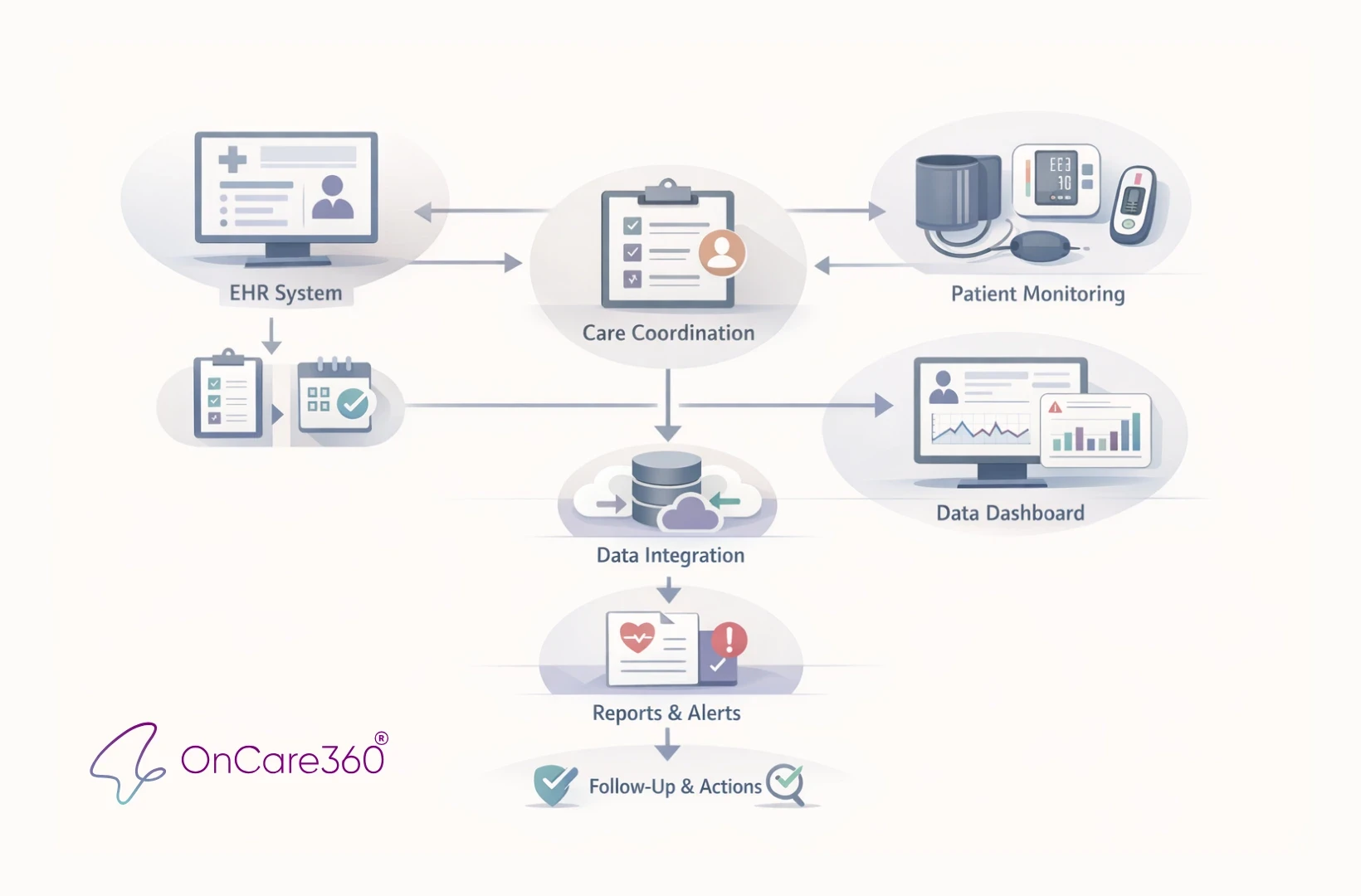
OnCare360
Nov 16, 2025
Remote Patient Monitoring (RPM) and Chronic Care Management (CCM) have emerged as key solutions for managing chronic diseases, which affect nearly 25% of U.S. adults. However, operational inefficiencies - like poor EHR integration, fragmented communication, and inadequate staff training - threaten their success. These missteps increase costs, overwhelm clinical teams, and compromise patient outcomes. This article identifies 10 common workflow errors and offers actionable strategies to enhance care delivery, improve compliance, and support scalability in remote care programs.
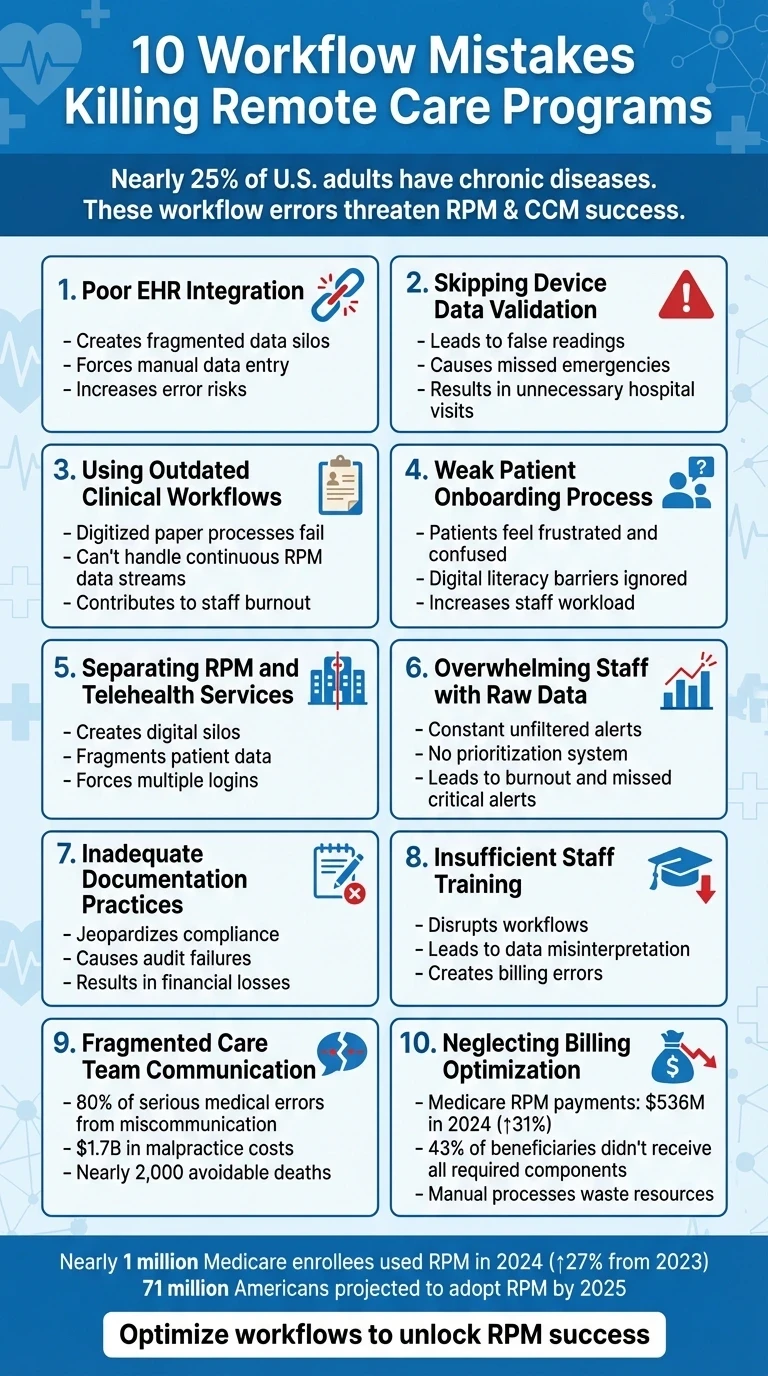
10 Workflow Mistakes Killing Remote Care Programs
1. Poor EHR Integration
The lack of seamless integration between remote care platforms and electronic health records (EHR) creates fragmented data silos, forcing healthcare providers into manual data entry. This disconnect not only slows down workflows but also introduces risks of errors and inefficiencies. MedTel emphasizes the dangers of such fragmentation:
Without real-time data flow, Telemedicine creates data fragmentation, which is dangerous and inefficient.
When systems don't communicate effectively, critical information like consultation notes, e-prescriptions, lab requests, and diagnosis codes must be manually transferred into the patient's digital record. This process creates bottlenecks and increases the likelihood of mistakes.
Adding to the complexity is the challenge of integrating patient-generated data from remote monitoring devices. This type of data requires careful governance to determine how it fits into the medical record. Dr. Neal Sikka, Emergency Physician and Professor of Emergency Medicine at George Washington University, explains:
Even though the data are coming from devices, some of which are regulated by the Food & Drug Administration, we consider it patient-generated data. These data tend to fall in a different category than the data we collect in the clinical setting, like when we take your blood pressure at a doctor's office.
Because patient-generated data is categorized differently from in-office clinical data, its integration into EHR systems demands specific protocols and oversight.
The operational challenges of poor EHR interoperability are significant. Issues such as duplicate records, delayed care coordination, and misinterpretation of data during transfers can disrupt workflows and increase the risk of medical errors [9, 10]. Additionally, inconsistent data standards between systems compound these problems. A 2024 government report highlighted concerns about potential fraud and misuse of remote patient monitoring (RPM) codes, partly due to gaps in data collection and device tracking - issues that robust EHR integration could resolve.
Solutions like OnCare360 are tackling these challenges head-on with bi-directional synchronization that automatically updates patient records with consultation notes, e-prescriptions, lab requests, and diagnosis codes. The platform's AI-driven tools also flag abnormal findings to help prioritize critical data and prevent staff overload. Colton Hood, Assistant Professor of Emergency Medicine at George Washington University, underscores the importance of such systems:
Good information systems can flag abnormal findings timely and flag the data that need to be prioritized. If you implement RPM at a larger scale, then a lot of information needs to be processed and you need to use technology to help urgently identify important values and have workflows to manage it in place.
To address these integration challenges effectively, healthcare providers must embed virtual services into high-volume clinics, automate record updates, and enforce clear data governance protocols. Without these measures, remote care programs risk falling short on compliance, overwhelming clinical staff, and failing to scale - no matter how advanced the devices or care models in use may be.
2. Skipping Device Data Validation
Accurate device data is a cornerstone of effective remote care, just as seamless integration is vital for EHR systems. Failing to validate remote monitoring data can jeopardize patient safety and disrupt workflows. Missteps in this area can lead to incorrect readings, misinterpretations, and even harm to patients. For instance, devices may malfunction, patients might use them incorrectly, or improper usage could generate false alarms while masking real emergencies.
“Patient safety concerns when implementing RPM include the risk of clinical misdiagnosis or failure to identify when patients need attention from providers”.
Dr. Colton Hood, Assistant Professor of Emergency Medicine at George Washington University, highlights these risks, emphasizing the importance of robust validation protocols.
The urgency of this issue became apparent during the early days of the COVID-19 pandemic. George Washington University provided discharged COVID-19 patients with pulse oximeters for home monitoring. However, many patients misused the devices or failed to prepare adequately - for example, not warming their fingers before taking measurements - resulting in false readings. This led to unnecessary hospital visits and, in some cases, missed emergencies. In response, the institution developed improved patient education strategies and emergency response protocols to address these challenges.
The complexity grows when monitoring conditions that require personalized thresholds. In a 2012 initiative by the Centers for Medicare & Medicaid Innovation Center, the GW team managed the blood pressure of home peritoneal dialysis patients. Nephrologists collaborated to set individualized blood pressure parameters, ensuring that alerts were meaningful and actionable. This approach reduced the risk of false alarms while capturing genuine concerns that required attention.
“If a spurious value causes concern, what is the escalation plan and timeline?”.
Dr. Neal Sikka, Professor of Emergency Medicine at George Washington University, underscores the operational challenges of unvalidated data. Without clear protocols for patient selection, device training, customized alert thresholds, and escalation pathways, healthcare teams may struggle to identify which readings require immediate action. Implementing validated protocols and robust analytics not only improves decision-making and compliance but also enhances patient outcomes while mitigating liability risks.
3. Using Outdated Clinical Workflows
Remote care demands workflows designed specifically for continuous, virtual interactions - not just digital replicas of paper-based processes. Simply digitizing old methods creates inefficiencies, bottlenecks, and missed opportunities for improved outcomes. Without rethinking workflows to align with the unique demands of remote patient monitoring (RPM), both efficiency and care quality suffer.
Traditional clinic workflows, built around periodic in-person visits, fall short when managing the continuous data streams generated by RPM. Unlike episodic data collection, RPM delivers a steady flow of information that requires real-time triage and personalized thresholds. Teresa Zayas-Cabán from the National Library of Medicine highlights the issue:
Digitized paper-based workflows that simply copy how a paper-based workflow is performed have led to an ecosystem that contributes to burnout and impedes the full use of technology to optimize patient care through the use of automation.
Dr. Colton Hood from George Washington University encapsulates the challenge:
It is both helpful and can be overwhelming at the same time.
This inability to process data in real-time creates gaps in patient communication and staff responsibilities, leading to inefficiencies and confusion.
Outdated workflows also leave patients uncertain about what to expect, which can result in either unnecessary anxiety or a false sense of security. Dr. Neal Sikka underscores the importance of setting clear expectations:
Many patients do not know what to expect. You have to provide a clear expectation that while these data are going to come to us right away, a clinician will react to a trend rather than each data point.
Without updated workflows that incorporate patient education and feedback mechanisms, the risk of device misuse and inaccurate data collection increases. Modern workflows not only enhance patient understanding but also streamline operations, making the entire system more effective.
The staffing model also requires a shift. Traditional roles often fail to address the demands of remote care, such as patient training on devices, technical support, continuous data monitoring, and rapid response. Dr. Hood points out:
If you implement RPM at a larger scale, then a lot of information needs to be processed and you need to use technology to help urgently identify important values and have workflows to manage it in place.
To succeed, organizations must develop clear protocols for patient selection, establish individualized alert thresholds, define escalation pathways, and implement efficient documentation practices - none of which are typically part of conventional clinic workflows.
Failing to modernize workflows isn’t just operationally inefficient; it’s financially unsustainable. Programs relying on outdated processes struggle to secure proper reimbursement and document outcomes effectively. Without automation to flag critical issues, prioritize interventions, and streamline documentation, remote care programs risk falling short of the scale and consistency needed for long-term success. These inefficiencies not only waste resources but also jeopardize the financial viability of remote care initiatives.
4. Weak Patient Onboarding Process
After tackling challenges in data integration and validation, the next key to remote care success lies in establishing a strong patient onboarding process.
Incomplete onboarding often hinders initial patient engagement. When healthcare teams overlook digital literacy challenges or fail to provide thorough device training, patients can feel frustrated, confused, and more likely to disengage. This is particularly true for older adults who may struggle with the technical aspects of remote monitoring. Without clear instructions and personalized support during onboarding, patients may feel overwhelmed and unsure about how to properly use the equipment.
"The most important part of RPM is providing good education to the patients about the devices, and what they should do when they get particularly concerning readings, like an out-of-range result".
Dr. Neal Sikka highlights the importance of setting clear expectations early in the process:
"Patient selection is important on the front end: Who is really going to benefit from remote monitoring and for what condition? You need to set up those expectations and make sure that patients have the digital literacy to be able to manage transmission of the data".
An effective onboarding process should be tailored to each patient's unique circumstances and goals. This includes offering detailed training through a variety of methods such as written guides, video tutorials, in-person demonstrations, and telephone support. Providing ongoing technical assistance is also crucial for troubleshooting and ensuring that patients can use their devices correctly. By setting clear expectations from the start, healthcare teams can establish a foundation for consistent support and engagement.
Weak onboarding doesn’t just frustrate patients - it also increases the workload for staff and undermines the program's potential for growth. Staff may find themselves overwhelmed with basic technical questions, re-explaining protocols, and chasing missing data. Poor onboarding can lead to incomplete documentation and create a perception that the technology is overly complicated or that providers are unresponsive to patient data. To address these issues, it’s essential to focus on overcoming digital literacy barriers, standardizing device selection, offering cellular-enabled devices to address connectivity problems, and implementing clear escalation protocols. These steps can transform onboarding into a strong foundation for long-term success and scalability.
5. Separating RPM and Telehealth Services
When healthcare organizations treat Remote Patient Monitoring (RPM) and telehealth as separate entities, they risk creating digital silos that disrupt the flow of care delivery. Operating these services in isolation often results in fragmented data, making it difficult for healthcare teams to access comprehensive patient information precisely when they need it most.
Without a streamlined, two-way exchange of real-time data between RPM and telehealth platforms, clinicians are left with incomplete patient profiles during virtual visits. This lack of integration forces providers to navigate multiple systems to locate critical information, while patients face the inconvenience of managing multiple portals and remembering separate login details. Such inefficiencies can also lead to documentation errors and billing complications, which will be discussed further.
"Successful integration isn't about deploying technology; it's about transforming the people and processes that deliver care." – Medtel.io
The absence of integration not only impacts care delivery but also poses challenges in documentation and billing. These gaps can result in missed revenue opportunities and compliance risks, both of which are preventable with better system design.
The key lies in embedding virtual services into existing clinical workflows. For example, RPM and telehealth can be seamlessly incorporated into high-volume specialty clinics like cardiology or diabetology. By standardizing virtual check-ups for stable patients and ensuring Electronic Health Record (EHR) updates are unified, these services can function as a cohesive system. This approach provides care teams with the visibility and coordination they need to deliver consistent, high-quality care.
6. Overwhelming Staff with Raw Data
Remote monitoring devices produce a constant flow of unfiltered data, leaving clinicians inundated with alerts that often lack meaningful context. Metrics such as blood pressure, glucose levels, weight, and oxygen saturation stream in continuously, creating a flood of information that lacks prioritization. Dr. Neal Sikka, Emergency Physician and Professor of Emergency Medicine at George Washington University, emphasizes the importance of managing expectations:
Many patients do not know what to expect. You have to provide a clear expectation that while these data are going to come to us right away, a clinician will react to a trend rather than each data point.
Without automated systems to filter and prioritize these readings, clinicians are forced to sift through routine data manually. This not only consumes valuable time but also increases the likelihood of missing critical alerts. The resulting inefficiency slows response times and contributes to staff burnout.
The unrelenting stream of alerts can overwhelm healthcare teams, making it difficult to concentrate on meaningful interventions. When every data point demands attention, the ability to focus on what truly matters is compromised. Adding to the challenge is the need for staff to interpret potentially misleading values without adequate context. Dr. Colton Hood, Assistant Professor of Emergency Medicine at George Washington University, explains:
There is a chance that someone can misuse the medical device, or for example someone other than the patient could use the device, and that data will go into the medical record.
This creates an additional burden, as distinguishing clinically relevant readings from errors requires time and expertise.
Manual validation of raw data further strains documentation processes. To address these issues, a structured approach is essential. A tiered review system - where support staff screen incoming data, automated alerts highlight only critical readings, and clinicians focus on actionable trends - can help reduce delays and improve accuracy. Without such measures, remote care programs risk not only staff exhaustion and inefficiency but also clinical errors and potential program failure.
7. Inadequate Documentation Practices
Flawed documentation practices can jeopardize compliance, lead to audit failures, and result in financial losses. These issues directly impact billing accuracy and the quality of clinical care. With the Department of Health and Human Services Office of Inspector General (OIG) planning to audit Medicare Part B Remote Patient Monitoring (RPM) services throughout 2025, focusing on proper service delivery and billing, the stakes for accurate documentation have never been higher.
Common documentation errors typically fall into three categories:
Inaccuracies from outdated methods: Overreliance on copy-and-paste functions or outdated templates often leads to errors.
Failure to meet billing requirements: Documentation that doesn’t align with service-specific guidelines risks non-compliance.
Incomplete consent records: Missing or inadequate details about patient rights and service explanations can create serious gaps.
Daniel Tashnek, JD, Co-founder of Prevounce Health, emphasizes this point:
"With OIG audits here, it's more important than ever that your RPM program is compliant with payer requirements".
The financial consequences of poor documentation are significant. Errors such as incorrect unit billing, incomplete electronic care plans, or inadequate supervision records can result in improper payments and revenue losses.
To address these challenges, healthcare programs should establish robust quality controls to identify and correct documentation errors before submission. Key steps include:
Verifying that only valid physiologic readings contribute to the 16-day measurement requirement.
Ensuring interactive communication occurs synchronously via phone or video.
Keeping detailed time-tracking logs for all billable activities.
For Home and Community-Based Services (HCBS), compliance requires confirming that all services are authorized in the beneficiary's person-centered plan and accurately recording dates and times to avoid payment errors.
Creating audit-ready documentation requires systematic workflows designed to capture clinical context, maintain record integrity, and meet regulatory standards. These improvements are essential for the operational success and credibility of remote care programs.
8. Insufficient Staff Training
When staff training falls short, it disrupts workflows, leads to misinterpretation of data, and diminishes the effectiveness of remote care. Without comprehensive guidance on using RPM systems and adhering to billing protocols, mistakes can escalate, putting patient safety at risk and overwhelming healthcare teams.
One critical gap lies in training staff to operate RPM devices, navigate platforms, and integrate data with EHRs. Without this knowledge, confusion over roles and responsibilities arises, often leading to delayed responses. Reports from Smart Meter and Medical Office Force highlight how insufficient training on technology and role clarity contributes to inefficiencies and errors. This lack of structure can result in missed urgent alerts or redundant efforts, creating unnecessary bottlenecks.
Another challenge is managing the sheer volume of physiologic data generated by RPM systems. Without training to pinpoint actionable insights or establish clear triage protocols, teams can become bogged down by non-urgent alerts while overlooking true emergencies. This approach risks treating RPM as an isolated tool rather than a fully integrated part of the care process.
Billing and documentation are also areas where staff require specialized instruction. Familiarity with CMS guidelines - covering time tracking, device delivery, and distinguishing RPM from other telehealth services - is essential. HealthTECH Resources emphasizes that without proper user education, staff frustration and wasted time are inevitable.
Effective training programs go beyond the basics, clearly defining workflows and responsibilities. These programs should outline who is responsible for reviewing data, escalating alerts, addressing technical issues, and managing patient conditions. Training should also include patient education and emergency escalation protocols, ensuring that RPM data becomes a seamless part of daily decision-making. By focusing on these areas, healthcare teams can enhance operational efficiency and fully integrate remote care into their workflows.
9. Fragmented Care Team Communication
Clear and efficient communication within care teams is just as important as the technology used in remote care. When communication breaks down, vital patient information can be missed, leading to delays in treatment, confusion about a patient’s condition, and a decline in the overall quality of care.
The impact of poor communication is staggering. CRICO Strategies found that over 7,000 of the 23,000 medical malpractice lawsuits they reviewed were tied to communication failures. These cases accounted for $1.7 billion in malpractice costs and nearly 2,000 avoidable deaths. Similarly, a study by The Joint Commission revealed that 80% of serious medical errors stem from miscommunication during handoffs. When nurses, physicians, care coordinators, and specialists work in isolation without shared communication channels, urgent alerts can be missed, leaving patients vulnerable. This compounds existing workflow challenges and directly undermines team coordination.
Remote care settings often amplify these issues due to the lack of in-person interactions. Incomplete handoffs by support staff can lead to delays in addressing patient needs, requiring additional follow-ups and causing frustration for patients. Even more concerning, critical patient concerns may be misclassified, delaying the escalation of urgent symptoms. For instance, if remote patient monitoring data showing alarming trends isn’t promptly shared with the right clinician, opportunities for early intervention may be lost.
Fragmented communication also takes a toll on documentation. When care teams rely on multiple platforms that don’t integrate with electronic health records (EHRs), they often waste valuable time looking for patient information. This inefficiency can result in redundant testing and disjointed clinical records. Without seamless interoperability, critical diagnoses and timely treatments may be delayed, increasing the risk of hospitalizations.
To bridge these communication gaps, healthcare organizations should adopt HIPAA-compliant communication platforms that integrate with EHR systems. Standardized tools, such as handoff checklists, can help ensure smooth transitions during shift changes. Regular interdisciplinary meetings are also essential for fostering collaboration and ensuring everyone is aligned. When every team member understands their role and has access to the right tools, remote care programs can operate more effectively - protecting patients and improving care outcomes.
10. Neglecting Billing Optimization
Just as clinical workflows demand efficiency, billing practices require attention to detail to ensure the financial health of remote care programs. Even the most well-designed remote care initiatives can falter if billing workflows are not optimized. Overlooking proper coding, documentation, and compliance can lead to significant revenue losses. For example, Medicare payments for Remote Patient Monitoring (RPM) services reached $536 million in 2024, reflecting a 31% increase from 2023. Yet, many practices still fail to capture the full reimbursement they’re entitled to.
One of the most common pitfalls in billing lies in misunderstanding CPT code requirements. Take CPT 99454, for instance - it mandates at least 16 days of physiologic data readings within a 30-day period to bill for device supply and monitoring. Submitting claims for automated alerts or periodic device check-ins alone does not meet this threshold. Similarly, CPT codes 99457 and 99458 require real-time, two-way interactive communication via phone or video, ruling out text messages or voicemails as acceptable forms of interaction. An OIG report revealed that between 2019 and 2022, 43% of Medicare beneficiaries using RPM services did not receive all three required components - education/setup, device supply, and treatment management - underscoring widespread compliance issues. Accurate CPT coding combined with thorough billing documentation is critical for both compliance and capturing full reimbursement.
Inadequate documentation doesn’t just impact revenue; it also increases audit risk. Practices without clear records of patient consent, medical necessity, device provision, or time spent on interactions may face regulatory scrutiny and potential clawbacks. The OIG has added RPM fraud oversight to its 2025 Work Plan, signaling a focus on enforcement. To remain compliant, organizations must maintain detailed records, including adherence to the "one practitioner per month" rule, patient opt-out rights, and cost-sharing explanations.
Manual billing processes further strain resources. These labor-intensive tasks pull staff away from patient care and program development. By adopting automated verification tools and real-time eligibility checks, practices can significantly reduce errors and prevent claim denials before submission. Investing in coding software and providing ongoing staff training on RPM-specific codes and regulatory updates can also streamline processes and improve accuracy.
Optimizing billing workflows is as essential to the success of remote care programs as refining clinical processes. It’s not just about avoiding mistakes - it’s about creating a financially sustainable foundation that supports program growth. With nearly one million Medicare enrollees using RPM services in 2024 (a 27% increase from 2023) and projections estimating over 71 million Americans adopting RPM by 2025, the financial opportunity is immense. Organizations that prioritize compliance, maintain audit-ready documentation, and streamline billing workflows will be well-positioned to scale their programs while maximizing reimbursement potential.
Conclusion
Remote care programs offer a promising avenue for enhancing chronic disease management, minimizing preventable hospitalizations, and establishing reliable revenue streams. However, their success hinges on workflows that balance clinical precision with operational efficiency. Challenges such as poor EHR integration, inadequate onboarding, and fragmented communication can significantly hinder the effectiveness of these programs.
By addressing these workflow bottlenecks, healthcare organizations can create scalable care models that free up clinician time and alleviate burnout. Streamlined processes not only enhance efficiency but also elevate the quality of patient care. Improved data management supports informed decision-making and fosters patient engagement, creating a feedback loop where better workflows drive better outcomes.
To tackle these challenges, OnCare360 provides a comprehensive platform that integrates CCM, RPM, TCM, medication management, and care coordination. Its AI-powered tools prioritize risk factors and offer documentation guidance, while licensed clinicians oversee care decisions - enabling small teams to manage extensive patient panels effectively. Features like cellular medical-grade devices simplify setup, automated time tracking ensures billing accuracy, and audit-ready documentation mitigates compliance risks. Seamless EHR integration, multi-specialty support, and transparent performance tracking further strengthen its utility.
Healthcare organizations that emphasize workflow optimization are better positioned to navigate the complexities of value-based care. Achieving sustainable growth demands operational efficiency, clinical rigor, and adherence to compliance standards. By resolving inefficiencies, equipping care teams with the right resources, and focusing on measurable patient outcomes, organizations can build the foundation for enduring success in value-based care.
Recognizing workflow challenges, implementing targeted solutions, and leveraging advanced technology can pave the way for improved outcomes, financial stability, and effective chronic care management. Take steps now to refine your workflows and secure a resilient, patient-centered care model.
FAQs
How does poor EHR integration impact remote care programs and patient outcomes?
Poor coordination between electronic health records (EHR) and remote care platforms can create significant challenges in delivering seamless patient care. When data from tools like remote patient monitoring (RPM) devices or chronic care management (CCM) programs fails to sync automatically with the EHR, clinicians are often left with the tedious task of manually entering information. This process not only slows down critical decision-making but also increases the likelihood of documentation errors, incomplete records, and missed alerts. The result? A fragmented care experience that can ultimately harm patient outcomes.
On top of that, poor integration can force providers to juggle multiple systems, leading to inefficiencies that contribute to clinician burnout. This burnout doesn’t just affect providers - it undermines the quality of care, weakens the patient-provider relationship, and can lead to reduced adherence to treatment plans. For patients, the lack of visibility or effective use of their home-collected data can erode trust in remote care programs, making them less likely to stay engaged. This disengagement further hampers the success of these initiatives, creating a cycle that is hard to break.How can healthcare providers enhance staff training for remote care programs?
Enhancing staff training plays a vital role in the success of remote care programs, including remote patient monitoring (RPM). To ensure staff are well-prepared and confident, providers can focus on the following strategies:
Establish a clear onboarding process that thoroughly explains the workflow, covering tasks like device setup, data entry, and interpreting results. This foundation helps staff understand their responsibilities from the start.
Incorporate practical, hands-on training sessions to allow staff to troubleshoot devices and practice patient interactions in a controlled setting. This approach builds the skills needed to handle real-life situations effectively.
Offer accessible reference materials, such as quick-start guides or brief video tutorials, to provide staff with ongoing support and easily accessible resources for refreshing their knowledge.
Conduct regular training updates to introduce staff to new features, system improvements, or changes in tools like electronic health records (EHR). Keeping the team up-to-date ensures smooth adoption of new processes and technologies.
By prioritizing continuous learning and equipping staff with the right tools and knowledge, healthcare teams can minimize errors, streamline workflows, and deliver improved patient care.
Why is effective integration of RPM and telehealth services crucial for remote care programs?
Integrating Remote Patient Monitoring (RPM) with telehealth is a critical step toward delivering a seamless and effective virtual care experience. When RPM data is directly incorporated into the same platform used for telehealth visits, it ensures that care teams have access to the most current patient information. This eliminates the inefficiencies of siloed systems, simplifies workflows, and reduces redundant documentation. As a result, clinicians can make timely, informed decisions based on continuous patient data.
This integration not only improves clinical workflows but also drives better outcomes on both medical and financial fronts. RPM offers continuous insights into a patient’s health, enabling providers to identify potential concerns early and avoid expensive hospital admissions. During telehealth appointments, having access to real-time RPM data allows clinicians to adjust treatment plans on the spot, fostering stronger patient engagement and demonstrating measurable improvements - factors that are vital for securing reimbursement and ensuring the sustainability of care programs. Furthermore, RPM plays a significant role in managing chronic conditions by reducing the need for frequent in-person visits, which helps optimize clinic resources for more urgent cases.
10 Workflow Mistakes Killing Remote Care Programs
1. Poor EHR Integration
The lack of seamless integration between remote care platforms and electronic health records (EHR) creates fragmented data silos, forcing healthcare providers into manual data entry. This disconnect not only slows down workflows but also introduces risks of errors and inefficiencies. MedTel emphasizes the dangers of such fragmentation:
Without real-time data flow, Telemedicine creates data fragmentation, which is dangerous and inefficient.
When systems don't communicate effectively, critical information like consultation notes, e-prescriptions, lab requests, and diagnosis codes must be manually transferred into the patient's digital record. This process creates bottlenecks and increases the likelihood of mistakes.
Adding to the complexity is the challenge of integrating patient-generated data from remote monitoring devices. This type of data requires careful governance to determine how it fits into the medical record. Dr. Neal Sikka, Emergency Physician and Professor of Emergency Medicine at George Washington University, explains:
Even though the data are coming from devices, some of which are regulated by the Food & Drug Administration, we consider it patient-generated data. These data tend to fall in a different category than the data we collect in the clinical setting, like when we take your blood pressure at a doctor's office.
Because patient-generated data is categorized differently from in-office clinical data, its integration into EHR systems demands specific protocols and oversight.
The operational challenges of poor EHR interoperability are significant. Issues such as duplicate records, delayed care coordination, and misinterpretation of data during transfers can disrupt workflows and increase the risk of medical errors [9, 10]. Additionally, inconsistent data standards between systems compound these problems. A 2024 government report highlighted concerns about potential fraud and misuse of remote patient monitoring (RPM) codes, partly due to gaps in data collection and device tracking - issues that robust EHR integration could resolve.
Solutions like OnCare360 are tackling these challenges head-on with bi-directional synchronization that automatically updates patient records with consultation notes, e-prescriptions, lab requests, and diagnosis codes. The platform's AI-driven tools also flag abnormal findings to help prioritize critical data and prevent staff overload. Colton Hood, Assistant Professor of Emergency Medicine at George Washington University, underscores the importance of such systems:
Good information systems can flag abnormal findings timely and flag the data that need to be prioritized. If you implement RPM at a larger scale, then a lot of information needs to be processed and you need to use technology to help urgently identify important values and have workflows to manage it in place.
To address these integration challenges effectively, healthcare providers must embed virtual services into high-volume clinics, automate record updates, and enforce clear data governance protocols. Without these measures, remote care programs risk falling short on compliance, overwhelming clinical staff, and failing to scale - no matter how advanced the devices or care models in use may be.
2. Skipping Device Data Validation
Accurate device data is a cornerstone of effective remote care, just as seamless integration is vital for EHR systems. Failing to validate remote monitoring data can jeopardize patient safety and disrupt workflows. Missteps in this area can lead to incorrect readings, misinterpretations, and even harm to patients. For instance, devices may malfunction, patients might use them incorrectly, or improper usage could generate false alarms while masking real emergencies.
“Patient safety concerns when implementing RPM include the risk of clinical misdiagnosis or failure to identify when patients need attention from providers”.
Dr. Colton Hood, Assistant Professor of Emergency Medicine at George Washington University, highlights these risks, emphasizing the importance of robust validation protocols.
The urgency of this issue became apparent during the early days of the COVID-19 pandemic. George Washington University provided discharged COVID-19 patients with pulse oximeters for home monitoring. However, many patients misused the devices or failed to prepare adequately - for example, not warming their fingers before taking measurements - resulting in false readings. This led to unnecessary hospital visits and, in some cases, missed emergencies. In response, the institution developed improved patient education strategies and emergency response protocols to address these challenges.
The complexity grows when monitoring conditions that require personalized thresholds. In a 2012 initiative by the Centers for Medicare & Medicaid Innovation Center, the GW team managed the blood pressure of home peritoneal dialysis patients. Nephrologists collaborated to set individualized blood pressure parameters, ensuring that alerts were meaningful and actionable. This approach reduced the risk of false alarms while capturing genuine concerns that required attention.
“If a spurious value causes concern, what is the escalation plan and timeline?”.
Dr. Neal Sikka, Professor of Emergency Medicine at George Washington University, underscores the operational challenges of unvalidated data. Without clear protocols for patient selection, device training, customized alert thresholds, and escalation pathways, healthcare teams may struggle to identify which readings require immediate action. Implementing validated protocols and robust analytics not only improves decision-making and compliance but also enhances patient outcomes while mitigating liability risks.
3. Using Outdated Clinical Workflows
Remote care demands workflows designed specifically for continuous, virtual interactions - not just digital replicas of paper-based processes. Simply digitizing old methods creates inefficiencies, bottlenecks, and missed opportunities for improved outcomes. Without rethinking workflows to align with the unique demands of remote patient monitoring (RPM), both efficiency and care quality suffer.
Traditional clinic workflows, built around periodic in-person visits, fall short when managing the continuous data streams generated by RPM. Unlike episodic data collection, RPM delivers a steady flow of information that requires real-time triage and personalized thresholds. Teresa Zayas-Cabán from the National Library of Medicine highlights the issue:
Digitized paper-based workflows that simply copy how a paper-based workflow is performed have led to an ecosystem that contributes to burnout and impedes the full use of technology to optimize patient care through the use of automation.
Dr. Colton Hood from George Washington University encapsulates the challenge:
It is both helpful and can be overwhelming at the same time.
This inability to process data in real-time creates gaps in patient communication and staff responsibilities, leading to inefficiencies and confusion.
Outdated workflows also leave patients uncertain about what to expect, which can result in either unnecessary anxiety or a false sense of security. Dr. Neal Sikka underscores the importance of setting clear expectations:
Many patients do not know what to expect. You have to provide a clear expectation that while these data are going to come to us right away, a clinician will react to a trend rather than each data point.
Without updated workflows that incorporate patient education and feedback mechanisms, the risk of device misuse and inaccurate data collection increases. Modern workflows not only enhance patient understanding but also streamline operations, making the entire system more effective.
The staffing model also requires a shift. Traditional roles often fail to address the demands of remote care, such as patient training on devices, technical support, continuous data monitoring, and rapid response. Dr. Hood points out:
If you implement RPM at a larger scale, then a lot of information needs to be processed and you need to use technology to help urgently identify important values and have workflows to manage it in place.
To succeed, organizations must develop clear protocols for patient selection, establish individualized alert thresholds, define escalation pathways, and implement efficient documentation practices - none of which are typically part of conventional clinic workflows.
Failing to modernize workflows isn’t just operationally inefficient; it’s financially unsustainable. Programs relying on outdated processes struggle to secure proper reimbursement and document outcomes effectively. Without automation to flag critical issues, prioritize interventions, and streamline documentation, remote care programs risk falling short of the scale and consistency needed for long-term success. These inefficiencies not only waste resources but also jeopardize the financial viability of remote care initiatives.
4. Weak Patient Onboarding Process
After tackling challenges in data integration and validation, the next key to remote care success lies in establishing a strong patient onboarding process.
Incomplete onboarding often hinders initial patient engagement. When healthcare teams overlook digital literacy challenges or fail to provide thorough device training, patients can feel frustrated, confused, and more likely to disengage. This is particularly true for older adults who may struggle with the technical aspects of remote monitoring. Without clear instructions and personalized support during onboarding, patients may feel overwhelmed and unsure about how to properly use the equipment.
"The most important part of RPM is providing good education to the patients about the devices, and what they should do when they get particularly concerning readings, like an out-of-range result".
Dr. Neal Sikka highlights the importance of setting clear expectations early in the process:
"Patient selection is important on the front end: Who is really going to benefit from remote monitoring and for what condition? You need to set up those expectations and make sure that patients have the digital literacy to be able to manage transmission of the data".
An effective onboarding process should be tailored to each patient's unique circumstances and goals. This includes offering detailed training through a variety of methods such as written guides, video tutorials, in-person demonstrations, and telephone support. Providing ongoing technical assistance is also crucial for troubleshooting and ensuring that patients can use their devices correctly. By setting clear expectations from the start, healthcare teams can establish a foundation for consistent support and engagement.
Weak onboarding doesn’t just frustrate patients - it also increases the workload for staff and undermines the program's potential for growth. Staff may find themselves overwhelmed with basic technical questions, re-explaining protocols, and chasing missing data. Poor onboarding can lead to incomplete documentation and create a perception that the technology is overly complicated or that providers are unresponsive to patient data. To address these issues, it’s essential to focus on overcoming digital literacy barriers, standardizing device selection, offering cellular-enabled devices to address connectivity problems, and implementing clear escalation protocols. These steps can transform onboarding into a strong foundation for long-term success and scalability.
5. Separating RPM and Telehealth Services
When healthcare organizations treat Remote Patient Monitoring (RPM) and telehealth as separate entities, they risk creating digital silos that disrupt the flow of care delivery. Operating these services in isolation often results in fragmented data, making it difficult for healthcare teams to access comprehensive patient information precisely when they need it most.
Without a streamlined, two-way exchange of real-time data between RPM and telehealth platforms, clinicians are left with incomplete patient profiles during virtual visits. This lack of integration forces providers to navigate multiple systems to locate critical information, while patients face the inconvenience of managing multiple portals and remembering separate login details. Such inefficiencies can also lead to documentation errors and billing complications, which will be discussed further.
"Successful integration isn't about deploying technology; it's about transforming the people and processes that deliver care." – Medtel.io
The absence of integration not only impacts care delivery but also poses challenges in documentation and billing. These gaps can result in missed revenue opportunities and compliance risks, both of which are preventable with better system design.
The key lies in embedding virtual services into existing clinical workflows. For example, RPM and telehealth can be seamlessly incorporated into high-volume specialty clinics like cardiology or diabetology. By standardizing virtual check-ups for stable patients and ensuring Electronic Health Record (EHR) updates are unified, these services can function as a cohesive system. This approach provides care teams with the visibility and coordination they need to deliver consistent, high-quality care.
6. Overwhelming Staff with Raw Data
Remote monitoring devices produce a constant flow of unfiltered data, leaving clinicians inundated with alerts that often lack meaningful context. Metrics such as blood pressure, glucose levels, weight, and oxygen saturation stream in continuously, creating a flood of information that lacks prioritization. Dr. Neal Sikka, Emergency Physician and Professor of Emergency Medicine at George Washington University, emphasizes the importance of managing expectations:
Many patients do not know what to expect. You have to provide a clear expectation that while these data are going to come to us right away, a clinician will react to a trend rather than each data point.
Without automated systems to filter and prioritize these readings, clinicians are forced to sift through routine data manually. This not only consumes valuable time but also increases the likelihood of missing critical alerts. The resulting inefficiency slows response times and contributes to staff burnout.
The unrelenting stream of alerts can overwhelm healthcare teams, making it difficult to concentrate on meaningful interventions. When every data point demands attention, the ability to focus on what truly matters is compromised. Adding to the challenge is the need for staff to interpret potentially misleading values without adequate context. Dr. Colton Hood, Assistant Professor of Emergency Medicine at George Washington University, explains:
There is a chance that someone can misuse the medical device, or for example someone other than the patient could use the device, and that data will go into the medical record.
This creates an additional burden, as distinguishing clinically relevant readings from errors requires time and expertise.
Manual validation of raw data further strains documentation processes. To address these issues, a structured approach is essential. A tiered review system - where support staff screen incoming data, automated alerts highlight only critical readings, and clinicians focus on actionable trends - can help reduce delays and improve accuracy. Without such measures, remote care programs risk not only staff exhaustion and inefficiency but also clinical errors and potential program failure.
7. Inadequate Documentation Practices
Flawed documentation practices can jeopardize compliance, lead to audit failures, and result in financial losses. These issues directly impact billing accuracy and the quality of clinical care. With the Department of Health and Human Services Office of Inspector General (OIG) planning to audit Medicare Part B Remote Patient Monitoring (RPM) services throughout 2025, focusing on proper service delivery and billing, the stakes for accurate documentation have never been higher.
Common documentation errors typically fall into three categories:
Inaccuracies from outdated methods: Overreliance on copy-and-paste functions or outdated templates often leads to errors.
Failure to meet billing requirements: Documentation that doesn’t align with service-specific guidelines risks non-compliance.
Incomplete consent records: Missing or inadequate details about patient rights and service explanations can create serious gaps.
Daniel Tashnek, JD, Co-founder of Prevounce Health, emphasizes this point:
"With OIG audits here, it's more important than ever that your RPM program is compliant with payer requirements".
The financial consequences of poor documentation are significant. Errors such as incorrect unit billing, incomplete electronic care plans, or inadequate supervision records can result in improper payments and revenue losses.
To address these challenges, healthcare programs should establish robust quality controls to identify and correct documentation errors before submission. Key steps include:
Verifying that only valid physiologic readings contribute to the 16-day measurement requirement.
Ensuring interactive communication occurs synchronously via phone or video.
Keeping detailed time-tracking logs for all billable activities.
For Home and Community-Based Services (HCBS), compliance requires confirming that all services are authorized in the beneficiary's person-centered plan and accurately recording dates and times to avoid payment errors.
Creating audit-ready documentation requires systematic workflows designed to capture clinical context, maintain record integrity, and meet regulatory standards. These improvements are essential for the operational success and credibility of remote care programs.
8. Insufficient Staff Training
When staff training falls short, it disrupts workflows, leads to misinterpretation of data, and diminishes the effectiveness of remote care. Without comprehensive guidance on using RPM systems and adhering to billing protocols, mistakes can escalate, putting patient safety at risk and overwhelming healthcare teams.
One critical gap lies in training staff to operate RPM devices, navigate platforms, and integrate data with EHRs. Without this knowledge, confusion over roles and responsibilities arises, often leading to delayed responses. Reports from Smart Meter and Medical Office Force highlight how insufficient training on technology and role clarity contributes to inefficiencies and errors. This lack of structure can result in missed urgent alerts or redundant efforts, creating unnecessary bottlenecks.
Another challenge is managing the sheer volume of physiologic data generated by RPM systems. Without training to pinpoint actionable insights or establish clear triage protocols, teams can become bogged down by non-urgent alerts while overlooking true emergencies. This approach risks treating RPM as an isolated tool rather than a fully integrated part of the care process.
Billing and documentation are also areas where staff require specialized instruction. Familiarity with CMS guidelines - covering time tracking, device delivery, and distinguishing RPM from other telehealth services - is essential. HealthTECH Resources emphasizes that without proper user education, staff frustration and wasted time are inevitable.
Effective training programs go beyond the basics, clearly defining workflows and responsibilities. These programs should outline who is responsible for reviewing data, escalating alerts, addressing technical issues, and managing patient conditions. Training should also include patient education and emergency escalation protocols, ensuring that RPM data becomes a seamless part of daily decision-making. By focusing on these areas, healthcare teams can enhance operational efficiency and fully integrate remote care into their workflows.
9. Fragmented Care Team Communication
Clear and efficient communication within care teams is just as important as the technology used in remote care. When communication breaks down, vital patient information can be missed, leading to delays in treatment, confusion about a patient’s condition, and a decline in the overall quality of care.
The impact of poor communication is staggering. CRICO Strategies found that over 7,000 of the 23,000 medical malpractice lawsuits they reviewed were tied to communication failures. These cases accounted for $1.7 billion in malpractice costs and nearly 2,000 avoidable deaths. Similarly, a study by The Joint Commission revealed that 80% of serious medical errors stem from miscommunication during handoffs. When nurses, physicians, care coordinators, and specialists work in isolation without shared communication channels, urgent alerts can be missed, leaving patients vulnerable. This compounds existing workflow challenges and directly undermines team coordination.
Remote care settings often amplify these issues due to the lack of in-person interactions. Incomplete handoffs by support staff can lead to delays in addressing patient needs, requiring additional follow-ups and causing frustration for patients. Even more concerning, critical patient concerns may be misclassified, delaying the escalation of urgent symptoms. For instance, if remote patient monitoring data showing alarming trends isn’t promptly shared with the right clinician, opportunities for early intervention may be lost.
Fragmented communication also takes a toll on documentation. When care teams rely on multiple platforms that don’t integrate with electronic health records (EHRs), they often waste valuable time looking for patient information. This inefficiency can result in redundant testing and disjointed clinical records. Without seamless interoperability, critical diagnoses and timely treatments may be delayed, increasing the risk of hospitalizations.
To bridge these communication gaps, healthcare organizations should adopt HIPAA-compliant communication platforms that integrate with EHR systems. Standardized tools, such as handoff checklists, can help ensure smooth transitions during shift changes. Regular interdisciplinary meetings are also essential for fostering collaboration and ensuring everyone is aligned. When every team member understands their role and has access to the right tools, remote care programs can operate more effectively - protecting patients and improving care outcomes.
10. Neglecting Billing Optimization
Just as clinical workflows demand efficiency, billing practices require attention to detail to ensure the financial health of remote care programs. Even the most well-designed remote care initiatives can falter if billing workflows are not optimized. Overlooking proper coding, documentation, and compliance can lead to significant revenue losses. For example, Medicare payments for Remote Patient Monitoring (RPM) services reached $536 million in 2024, reflecting a 31% increase from 2023. Yet, many practices still fail to capture the full reimbursement they’re entitled to.
One of the most common pitfalls in billing lies in misunderstanding CPT code requirements. Take CPT 99454, for instance - it mandates at least 16 days of physiologic data readings within a 30-day period to bill for device supply and monitoring. Submitting claims for automated alerts or periodic device check-ins alone does not meet this threshold. Similarly, CPT codes 99457 and 99458 require real-time, two-way interactive communication via phone or video, ruling out text messages or voicemails as acceptable forms of interaction. An OIG report revealed that between 2019 and 2022, 43% of Medicare beneficiaries using RPM services did not receive all three required components - education/setup, device supply, and treatment management - underscoring widespread compliance issues. Accurate CPT coding combined with thorough billing documentation is critical for both compliance and capturing full reimbursement.
Inadequate documentation doesn’t just impact revenue; it also increases audit risk. Practices without clear records of patient consent, medical necessity, device provision, or time spent on interactions may face regulatory scrutiny and potential clawbacks. The OIG has added RPM fraud oversight to its 2025 Work Plan, signaling a focus on enforcement. To remain compliant, organizations must maintain detailed records, including adherence to the "one practitioner per month" rule, patient opt-out rights, and cost-sharing explanations.
Manual billing processes further strain resources. These labor-intensive tasks pull staff away from patient care and program development. By adopting automated verification tools and real-time eligibility checks, practices can significantly reduce errors and prevent claim denials before submission. Investing in coding software and providing ongoing staff training on RPM-specific codes and regulatory updates can also streamline processes and improve accuracy.
Optimizing billing workflows is as essential to the success of remote care programs as refining clinical processes. It’s not just about avoiding mistakes - it’s about creating a financially sustainable foundation that supports program growth. With nearly one million Medicare enrollees using RPM services in 2024 (a 27% increase from 2023) and projections estimating over 71 million Americans adopting RPM by 2025, the financial opportunity is immense. Organizations that prioritize compliance, maintain audit-ready documentation, and streamline billing workflows will be well-positioned to scale their programs while maximizing reimbursement potential.
Conclusion
Remote care programs offer a promising avenue for enhancing chronic disease management, minimizing preventable hospitalizations, and establishing reliable revenue streams. However, their success hinges on workflows that balance clinical precision with operational efficiency. Challenges such as poor EHR integration, inadequate onboarding, and fragmented communication can significantly hinder the effectiveness of these programs.
By addressing these workflow bottlenecks, healthcare organizations can create scalable care models that free up clinician time and alleviate burnout. Streamlined processes not only enhance efficiency but also elevate the quality of patient care. Improved data management supports informed decision-making and fosters patient engagement, creating a feedback loop where better workflows drive better outcomes.
To tackle these challenges, OnCare360 provides a comprehensive platform that integrates CCM, RPM, TCM, medication management, and care coordination. Its AI-powered tools prioritize risk factors and offer documentation guidance, while licensed clinicians oversee care decisions - enabling small teams to manage extensive patient panels effectively. Features like cellular medical-grade devices simplify setup, automated time tracking ensures billing accuracy, and audit-ready documentation mitigates compliance risks. Seamless EHR integration, multi-specialty support, and transparent performance tracking further strengthen its utility.
Healthcare organizations that emphasize workflow optimization are better positioned to navigate the complexities of value-based care. Achieving sustainable growth demands operational efficiency, clinical rigor, and adherence to compliance standards. By resolving inefficiencies, equipping care teams with the right resources, and focusing on measurable patient outcomes, organizations can build the foundation for enduring success in value-based care.
Recognizing workflow challenges, implementing targeted solutions, and leveraging advanced technology can pave the way for improved outcomes, financial stability, and effective chronic care management. Take steps now to refine your workflows and secure a resilient, patient-centered care model.
FAQs
How does poor EHR integration impact remote care programs and patient outcomes?
Poor coordination between electronic health records (EHR) and remote care platforms can create significant challenges in delivering seamless patient care. When data from tools like remote patient monitoring (RPM) devices or chronic care management (CCM) programs fails to sync automatically with the EHR, clinicians are often left with the tedious task of manually entering information. This process not only slows down critical decision-making but also increases the likelihood of documentation errors, incomplete records, and missed alerts. The result? A fragmented care experience that can ultimately harm patient outcomes.
On top of that, poor integration can force providers to juggle multiple systems, leading to inefficiencies that contribute to clinician burnout. This burnout doesn’t just affect providers - it undermines the quality of care, weakens the patient-provider relationship, and can lead to reduced adherence to treatment plans. For patients, the lack of visibility or effective use of their home-collected data can erode trust in remote care programs, making them less likely to stay engaged. This disengagement further hampers the success of these initiatives, creating a cycle that is hard to break.How can healthcare providers enhance staff training for remote care programs?
Enhancing staff training plays a vital role in the success of remote care programs, including remote patient monitoring (RPM). To ensure staff are well-prepared and confident, providers can focus on the following strategies:
Establish a clear onboarding process that thoroughly explains the workflow, covering tasks like device setup, data entry, and interpreting results. This foundation helps staff understand their responsibilities from the start.
Incorporate practical, hands-on training sessions to allow staff to troubleshoot devices and practice patient interactions in a controlled setting. This approach builds the skills needed to handle real-life situations effectively.
Offer accessible reference materials, such as quick-start guides or brief video tutorials, to provide staff with ongoing support and easily accessible resources for refreshing their knowledge.
Conduct regular training updates to introduce staff to new features, system improvements, or changes in tools like electronic health records (EHR). Keeping the team up-to-date ensures smooth adoption of new processes and technologies.
By prioritizing continuous learning and equipping staff with the right tools and knowledge, healthcare teams can minimize errors, streamline workflows, and deliver improved patient care.
Why is effective integration of RPM and telehealth services crucial for remote care programs?
Integrating Remote Patient Monitoring (RPM) with telehealth is a critical step toward delivering a seamless and effective virtual care experience. When RPM data is directly incorporated into the same platform used for telehealth visits, it ensures that care teams have access to the most current patient information. This eliminates the inefficiencies of siloed systems, simplifies workflows, and reduces redundant documentation. As a result, clinicians can make timely, informed decisions based on continuous patient data.
This integration not only improves clinical workflows but also drives better outcomes on both medical and financial fronts. RPM offers continuous insights into a patient’s health, enabling providers to identify potential concerns early and avoid expensive hospital admissions. During telehealth appointments, having access to real-time RPM data allows clinicians to adjust treatment plans on the spot, fostering stronger patient engagement and demonstrating measurable improvements - factors that are vital for securing reimbursement and ensuring the sustainability of care programs. Furthermore, RPM plays a significant role in managing chronic conditions by reducing the need for frequent in-person visits, which helps optimize clinic resources for more urgent cases.
Jan 5, 2026
CMS Updates: How RPM is changing in 2026
Jan 3, 2026
How AI Expands Care Coordinator Capacity
Jan 1, 2026
RPM Time Tracking Errors That Lead to Denials
Dec 31, 2025
CMS Consent Documentation: What Must Be Captured
Jan 5, 2026
CMS Updates: How RPM is changing in 2026
Jan 3, 2026
How AI Expands Care Coordinator Capacity
Jan 1, 2026
RPM Time Tracking Errors That Lead to Denials
Dec 31, 2025
CMS Consent Documentation: What Must Be Captured
Dec 30, 2025
Top 10 Documentation Errors in CCM & RPM
Dec 29, 2025
Audit-Ready Documentation: What CMS Expects
Jan 5, 2026
CMS Updates: How RPM is changing in 2026
Jan 3, 2026
How AI Expands Care Coordinator Capacity
Jan 1, 2026
RPM Time Tracking Errors That Lead to Denials
Dec 31, 2025
CMS Consent Documentation: What Must Be Captured
Dec 30, 2025
Top 10 Documentation Errors in CCM & RPM
Dec 29, 2025
Audit-Ready Documentation: What CMS Expects


Have questions?
Are you ready to explore the future of healthcare with OnCare360?
Contact us for more information or request a free consultation today.
Have questions?
Are you ready to explore the future of healthcare with OnCare360?
Contact us for more information or request a free consultation today.
Have questions?
Are you ready to explore the future of healthcare with OnCare360?
Contact us for more information or request a free consultation today.
Have questions?
Are you ready to explore the future of healthcare with OnCare360?
Contact us for more information or request a free consultation today.
Have questions?
Are you ready to explore the future of healthcare with OnCare360?
Contact us for more information or request a free consultation today.
Have questions?