CCM Documentation Checklist for 2026
OnCare360
Dec 24, 2025
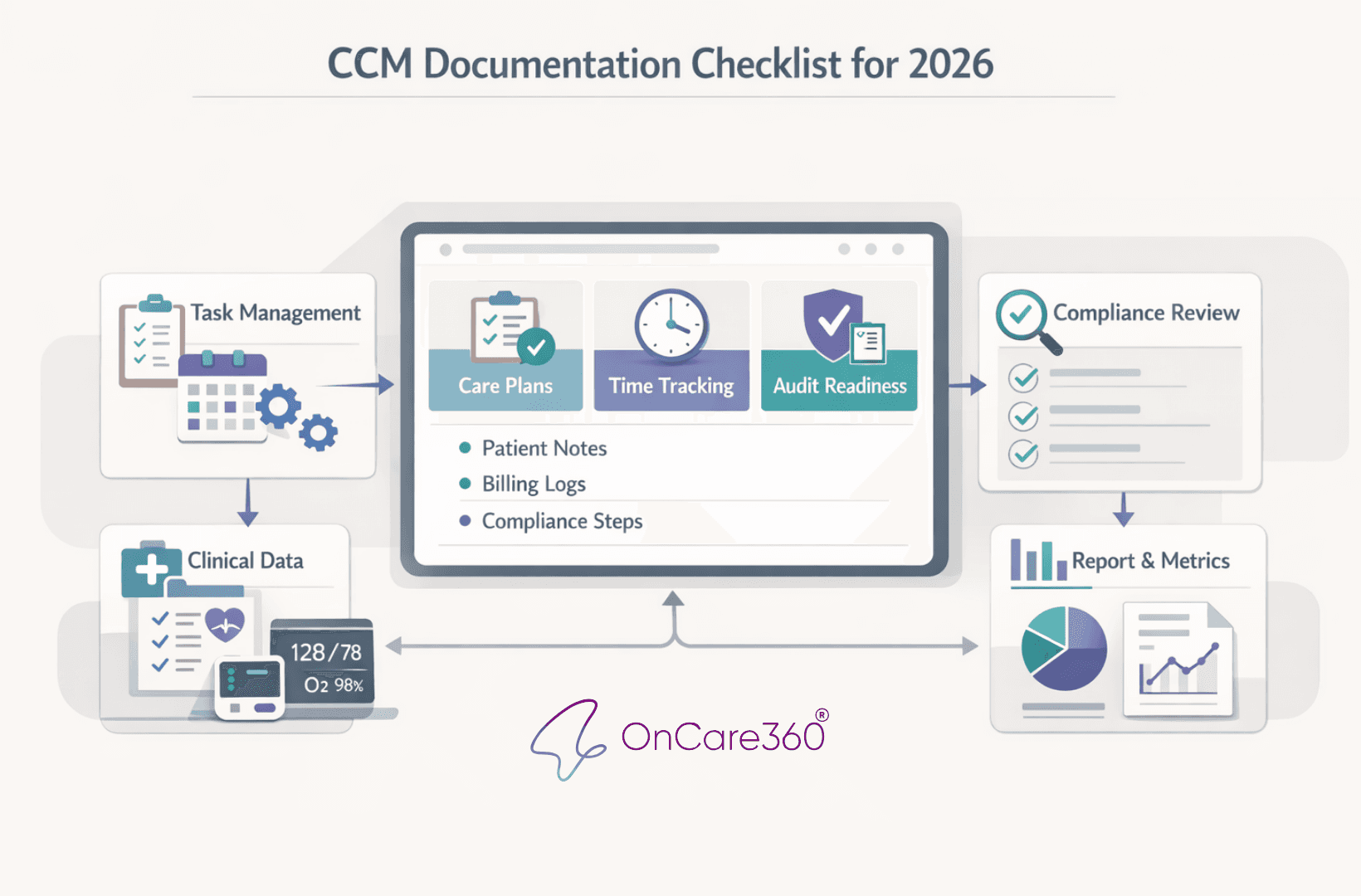
Accurate Chronic Care Management (CCM) documentation is essential for compliance, revenue protection, and audit readiness in 2026. With 68.4% of Medicare beneficiaries managing two or more chronic conditions, CMS has introduced stricter requirements impacting time tracking, care plans, and eligibility verification. Failure to meet these standards can lead to claim denials, audits, and financial penalties.
This guide provides actionable steps to navigate the updated 2026 CMS documentation requirements, focusing on eligibility verification, care plan structuring, and precise time tracking. It outlines how to reduce audit risks, ensure compliance, and streamline workflows, helping practices deliver coordinated care while safeguarding revenue.

CCM Documentation Compliance Checklist for 2026
Eligibility and Enrollment Documentation Checklist
Enrollment documentation is the cornerstone of compliant Chronic Care Management (CCM) billing. It ensures patient eligibility, secures consent, and records enrollment details to avoid duplicate claims. Below, we break down the essential elements needed to create a thorough and compliant enrollment record.
Verifying Patient Eligibility
Start by confirming that each patient meets the eligibility requirements for CCM. For standard CCM, patients must have at least two chronic conditions expected to last 12 months or longer (or until death). For Principal Care Management (PCM), a single high-risk chronic condition suffices. Your records should clearly show that these conditions pose a significant risk of death, acute exacerbation, decompensation, or functional decline.
Leverage your EHR's reporting tools to generate diagnosis lists by provider, helping you systematically identify eligible patients. Once eligibility is verified, move on to documenting consents and enrollment details to establish a complete and compliant record.
Documenting Patient Consent and Financial Responsibility
After confirming eligibility, the next step is to document patient consent and financial responsibility. While verbal consent meets CMS's minimum requirements, written consent offers stronger audit protection. Ensure your consent documentation includes these four key points:
Financial Responsibility: Clearly explain the patient’s financial obligations, typically a 20% coinsurance after meeting their deductible. Verify if the patient has supplemental insurance to cover these costs.
Billing Exclusivity: Inform the patient that only one provider can bill for CCM services in a given calendar month.
As Renee Dustman from AAPC notes, "Only the physician or other qualified healthcare provider who assumes the care management role of a patient can bill in any given calendar month, so there shouldn't be an overlap".
Revocation Rights: Ensure the patient understands their right to revoke consent at any time, effective at the end of the calendar month.
Consent Form Delivery: Provide the patient with a copy of the consent form - either physical or digital - and document this delivery in their medical record.
Additionally, offer patients a plain-language brochure that outlines the program’s benefits, including details about monthly telephone support and their assigned care team.
Tracking Enrollment and Attribution
Once consent is documented, it’s critical to track enrollment to avoid duplicate billing and ensure accurate attribution. Medicare allows only one provider to bill for CCM services per patient each calendar month. Before submitting claims, confirm that no other provider is billing for the same patient.
Flag CCM patients in your EHR system and record key details, such as enrollment dates, the consenting provider, and any revocation dates. Document the creation and delivery of a comprehensive digital care plan. This plan should include a full assessment, a problem list, treatment goals, and medication management. Use your patient portal to confirm that the patient has received the care plan.
Finally, keep meticulous records of all non-face-to-face activities, such as phone calls, emails, and coordination with community resources. These records not only support monthly billing but also provide a strong defense in case of an audit.
As Corella Lumpkins, a National Advisory Board Member at AAPC, advises, "Verbal consent is required to enroll patients in the CCM program; however, obtaining written consent is best practice, as is giving the patient a copy of the consent form".
Care Plan and Clinical Documentation Checklist
A well-structured care plan is essential for guiding treatment, monitoring progress, and ensuring audit readiness. According to CMS guidelines, every Chronic Care Management (CCM) care plan must be thorough, easily accessible, and promptly updated to reflect any changes in a patient’s condition. To maintain continuity of care, the plan should be stored in a certified EHR system that clinicians can access at any time.
Key Components of a Care Plan
To meet CMS requirements, a care plan must include several critical elements. Begin with a detailed problem list that captures all chronic conditions, along with specific treatment goals for each diagnosis. Include a comprehensive list of the patient’s medications, specifying dosages and frequencies. Outline planned interventions, which may range from lifestyle changes and specialist referrals to coordination with community resources. Additionally, document the patient’s care goals, preferred methods of communication, and any relevant social or cultural factors that may influence their care. Lastly, clearly identify all care team members and their respective roles, ensuring the patient knows whom to contact for various needs.
"CCM services are critical components of primary care that promote better health and reduce overall health care costs." - American Academy of Family Physicians
Care plans must be dynamic documents, updated as patient conditions evolve.
Updating the Care Plan
Timely updates to the care plan are crucial whenever a significant event occurs, such as a hospitalization, emergency department visit, new diagnosis, medication adjustment, or change in functional status. These updates should be recorded in the EHR, including the date, details of the changes, and the clinical reasoning behind them. Regularly revising care plans - ideally on a monthly basis before billing - ensures they accurately reflect the patient’s current needs and support compliance during audits.
Defining Roles and Ensuring 24/7 Access
In addition to routine updates, it’s vital to document care team roles and establish clear protocols for after-hours support. The care plan should specify the designated care team member responsible for maintaining a continuous relationship with the patient. Maintain a log or policy that details your 24/7 access system, whether through an on-call clinician, after-hours service, or answering system capable of connecting patients to the care team for urgent needs. Furthermore, your electronic care plan must be shareable with external providers to meet CMS coordination standards. These measures not only demonstrate compliance but also underscore your commitment to providing uninterrupted patient care.
Time and Service Element Documentation Checklist
Accurate time tracking is the backbone of compliant Chronic Care Management (CCM) billing. The Centers for Medicare & Medicaid Services (CMS) mandates that at least 20 minutes of non-face-to-face care coordination must be documented within a single calendar month to bill for standard CCM services. Each minute must be accounted for with detailed records of the activity performed, the staff involved, and the exact date and time. Without this level of precision, claims may face increased scrutiny, audits, or outright denials.
Recording Time and Activities
Manually tracking time is not only labor-intensive but also prone to errors. As Lee Fifield, Development Editor at AAPC, advises, "Manual time tracking takes too much admin time. Always use a third-party application." Practices should record exact start and end times, include activity descriptions (such as medication reconciliation, care plan adjustments, or coordination with specialists), and specify the staff member's name and role. Importantly, time must be documented within the same calendar month being billed - unused time cannot carry over.
Another critical aspect is avoiding duplicated time entries. As Samuel "Le" Church, MD, MPH, CPC, CRC, CPC-I, FAAFP, explains, "A 10-minute discussion about a case between two clinical staff members constitutes 10 minutes of time, not 20 minutes." When multiple staff members collaborate on a case, only the actual duration of the discussion can be counted once. Additionally, while clinical staff time contributes to standard CCM codes like 99490, code 99491 is strictly for time spent by a physician or Qualified Healthcare Professional (QHP).
Accurate and detailed records not only ensure billing compliance but also create a clear connection between patient care and the services provided.
Confirming Required Service Elements
Detailed time tracking is just one piece of the puzzle. Practices must also document all required CMS service elements to support care coordination. These activities may include phone calls, emails, prescription management, medication reconciliation, and coordination with other providers or facilities. To demonstrate clinical value, it’s important to include a variety of activities rather than relying solely on phone calls. For example, documenting time spent establishing or revising a care plan, reviewing consult notes, or following up with other providers can highlight the connection between the service and the patient's chronic conditions.
Before submitting claims, confirm that an electronic care plan was created, updated, or monitored during the billing period. A copy of this plan should be provided to the patient or their caregiver. Additionally, verbal or written consent must be documented, including an explanation of cost-sharing and the patient’s right to opt out of services.
Ensuring these service elements are met lays the groundwork for a thorough and defensible monthly review.
Monthly Documentation Review Before Billing
A comprehensive monthly review ties together all time logs and service elements, ensuring claims are supported by accurate, patient-specific records. This internal audit should confirm that time thresholds are met - 20 minutes for standard CCM (99490), 40 minutes when using 99490 alongside another code, or 60 minutes for complex CCM (99487). It’s also essential to check for duplicate billing, as CCM services cannot be billed more than once for the same patient within the same service period. For instance, in June 2024, a provider organization paid $14.9 million to resolve allegations of improper CCM billing under the False Claims Act.
Additionally, review for overlapping services that could conflict with CCM billing, such as transitional care management or other complex care management codes billed during the same time frame. If clinical staff performed the services, confirm that they were delivered "incident to" the billing practitioner’s direction and that staff roles are clearly identified. Lastly, ensure all documentation is specific to the patient and the date of service, avoiding generic templates that could indicate non-specific or overly broad services.
This monthly review process safeguards against billing errors and audit risks, ensuring compliance and accuracy in CCM claims.
Audit Readiness and Technology Support Checklist
Ensuring compliance starts with precise documentation of eligibility and care plans, but audit readiness is equally critical. Each Chronic Care Management (CCM) claim must meet specific requirements: verified patient eligibility, documented consent, detailed time logs, and an accurate care plan. Failing to meet these standards can lead to heightened scrutiny by Medicare Administrative Contractors and potential violations under the False Claims Act, with penalties ranging from $13,946 to $28,619 per claim as of January 15, 2025. A thorough review of documentation processes before billing is essential to avoid these risks.
Pre-Billing Documentation Verification
Before submitting claims, ensure all required elements are verified. Patient consent must be clearly documented in the medical record, including acknowledgment that only one provider can bill for the service and providing instructions on opting out. Confirm the accuracy of eligibility records and ensure the care plan is both current and easily accessible.
Time tracking is another critical component. Logs should include the date, the staff members involved, and the exact minutes spent on non-face-to-face activities. Additionally, documentation must confirm 24/7 access to care and verify that services do not overlap with other programs, such as Remote Patient Monitoring (RPM) or Principal Care Management (PCM). As noted by OnCare360, "Consent, time logs, care plan detail, and clear attribution of staff/provider activities" are the cornerstones of audit readiness.
Technology can significantly simplify these tasks, reducing errors and improving efficiency.
Using Technology to Simplify Documentation
Manual documentation is not only labor-intensive but also prone to errors that can lead to audits. Platforms like OnCare360 streamline compliance by automating key processes. These include automatic time tracking with attributions for staff and dates, centralized consent management with digital logs, and electronic care plan storage that allows instant sharing with patients and care teams. Such systems create a transparent audit trail by documenting each intervention in progress notes and linking them to specific providers.
Technology also ensures compliance with required initiating visits - such as an Annual Wellness Visit (AWV), Initial Preventive Physical Examination (IPPE), or Evaluation and Management (E/M) visit - within the year preceding CCM billing. By identifying overlapping services and maintaining automated communication logs, these tools help prevent duplicate billing. This is particularly important given findings from a 2021 HHS OIG report, which identified over 38,000 improper claims due to duplicate billing. Leveraging these platforms reduces the likelihood of claim denials and audit failures.
Routine audits and comprehensive staff training further strengthen compliance efforts.
Internal Audits and Staff Training
Internal audits play a key role in spotting documentation issues before they escalate into compliance problems. The AAPC advocates for combining internal and external audits, describing this practice as the "gold standard." According to the AAPC, "A strong internal chart auditing program will detect insufficient documentation and improper coding, making it easier for healthcare organizations to resolve areas of noncompliance and capture missed revenue". Most healthcare organizations set a minimum standard of 90% coding accuracy for medical audits.
Random audits help establish a general compliance baseline, while focused audits target high-risk areas, such as specific providers or high-level Evaluation and Management (E/M) visits. Billing patterns that deviate significantly from national norms - such as using a specific code at double the 5.5% national average - should trigger a self-audit. Staff training should emphasize accurate tracking of non-face-to-face time, including activities like phone calls, emails, care coordination, and prescription management. Additionally, reviewing the CMS Physician Fee Schedule Final Rule annually ensures workflows and documentation templates remain aligned with updated requirements.
Conclusion
Successfully managing Chronic Care Management (CCM) in 2026 hinges on implementing structured workflows, maintaining precise time tracking, and ensuring audit-ready documentation. Kim Garner Huey, CPC, owner of KGG Coding and Reimbursement Consulting, emphasizes the importance of accuracy, stating: "Focus on accurate coding, or run the risk of recoupments". These practices form the backbone of compliance and directly support the operational and technological strategies discussed earlier.
To safeguard revenue and reduce the risk of denials, regular internal audits and clear service distinctions are non-negotiable. Platforms like OnCare360 simplify this process by offering automated tools such as time tracking, centralized consent management, and shareable care plans that align with 2026 requirements. Features like automated communication logs and billing edits help prevent errors - such as billing CCM alongside conflicting services - while significantly reducing administrative burdens, enabling smaller teams to manage larger patient populations effectively.
Beyond compliance, CCM provides measurable clinical and financial advantages. Studies show CCM services reduce unnecessary hospital admissions by 4.7% and emergency department visits by 2.3%, saving Medicare approximately $74 per patient each month. Practices that adopt structured documentation workflows and integrate technology not only enhance patient outcomes but also capture revenue efficiently, all without overburdening their staff.
Achieving success in CCM requires a compliance-focused approach, the right technological investments, and seamless integration of documentation into daily care delivery. By prioritizing these elements, practices can build a strong foundation for sustainable, high-quality chronic care management that supports both patient care and operational efficiency.
FAQs
What are the updated CCM documentation requirements for 2026?
In 2026, the Centers for Medicare & Medicaid Services (CMS) will require specific documentation elements for Chronic Care Management (CCM) to ensure compliance and audit preparedness. These elements include:
Patient consent: A signed agreement from the patient to participate in CCM services.
Detailed care plans: These must highlight medical decision-making and advanced primary care management (APCM) strategies.
Monthly time tracking: Precise documentation of the time clinical staff dedicate to CCM services each month.
Digital records: Electronic documentation of patient health information and progress notes.
Keeping up with these requirements is critical for reducing the risk of denials and adhering to CMS standards.
How can technology simplify CCM documentation and ensure compliance?
Technology has become indispensable in managing Chronic Care Management (CCM) documentation while ensuring compliance with CMS guidelines. Advanced electronic health record (EHR) systems simplify this process by enabling clinicians to securely document critical elements such as patient consent, care plans, and progress notes in an organized, audit-ready format. This eliminates the reliance on manual paperwork, reducing the likelihood of errors and saving valuable time.
Modern EHR platforms also feature integrated time-tracking tools that automatically log non-face-to-face care minutes, ensuring precise billing for services under CPT codes 99490, 99439, 99487, and 99489. These systems often include built-in templates and alerts, which guide providers to capture all necessary details - such as patient goals and medical decision-making - prior to claim submission, helping to minimize the risk of claim denials.
By leveraging technology to standardize workflows and simplify documentation, healthcare practices can improve audit preparedness, protect their revenue streams, and provide more efficient, patient-focused care.
How can practices prepare for a CMS audit of their Chronic Care Management (CCM) services?
To get ready for a CMS audit, practices must prioritize thorough and accurate documentation for all Chronic Care Management (CCM) services. Begin by securing signed patient consent and maintaining a personalized care plan for each patient. These care plans should outline specific goals, planned interventions, and assigned care team members, with updates made at least annually.
Every CCM-related activity, such as care coordination or patient education, needs to be documented in the EHR with precise timestamps to confirm the required time thresholds are met (e.g., 20 minutes for CPT 99490). Leveraging automated time-tracking tools or detailed manual logs can help validate billed minutes, and it’s essential to ensure that staff performing these tasks meet CMS's clinical staff qualifications.
Conducting routine internal audits is key to identifying and addressing documentation gaps. Staff training sessions can reinforce compliance standards, while using standardized templates tailored to patient interactions ensures consistency. However, documentation should always include patient-specific details, service dates, and provider reviews. Periodic mock audits are another effective way to uncover potential issues, allowing practices to remain prepared and confident when facing a CMS review.
CCM Documentation Compliance Checklist for 2026
Eligibility and Enrollment Documentation Checklist
Enrollment documentation is the cornerstone of compliant Chronic Care Management (CCM) billing. It ensures patient eligibility, secures consent, and records enrollment details to avoid duplicate claims. Below, we break down the essential elements needed to create a thorough and compliant enrollment record.
Verifying Patient Eligibility
Start by confirming that each patient meets the eligibility requirements for CCM. For standard CCM, patients must have at least two chronic conditions expected to last 12 months or longer (or until death). For Principal Care Management (PCM), a single high-risk chronic condition suffices. Your records should clearly show that these conditions pose a significant risk of death, acute exacerbation, decompensation, or functional decline.
Leverage your EHR's reporting tools to generate diagnosis lists by provider, helping you systematically identify eligible patients. Once eligibility is verified, move on to documenting consents and enrollment details to establish a complete and compliant record.
Documenting Patient Consent and Financial Responsibility
After confirming eligibility, the next step is to document patient consent and financial responsibility. While verbal consent meets CMS's minimum requirements, written consent offers stronger audit protection. Ensure your consent documentation includes these four key points:
Financial Responsibility: Clearly explain the patient’s financial obligations, typically a 20% coinsurance after meeting their deductible. Verify if the patient has supplemental insurance to cover these costs.
Billing Exclusivity: Inform the patient that only one provider can bill for CCM services in a given calendar month.
As Renee Dustman from AAPC notes, "Only the physician or other qualified healthcare provider who assumes the care management role of a patient can bill in any given calendar month, so there shouldn't be an overlap".
Revocation Rights: Ensure the patient understands their right to revoke consent at any time, effective at the end of the calendar month.
Consent Form Delivery: Provide the patient with a copy of the consent form - either physical or digital - and document this delivery in their medical record.
Additionally, offer patients a plain-language brochure that outlines the program’s benefits, including details about monthly telephone support and their assigned care team.
Tracking Enrollment and Attribution
Once consent is documented, it’s critical to track enrollment to avoid duplicate billing and ensure accurate attribution. Medicare allows only one provider to bill for CCM services per patient each calendar month. Before submitting claims, confirm that no other provider is billing for the same patient.
Flag CCM patients in your EHR system and record key details, such as enrollment dates, the consenting provider, and any revocation dates. Document the creation and delivery of a comprehensive digital care plan. This plan should include a full assessment, a problem list, treatment goals, and medication management. Use your patient portal to confirm that the patient has received the care plan.
Finally, keep meticulous records of all non-face-to-face activities, such as phone calls, emails, and coordination with community resources. These records not only support monthly billing but also provide a strong defense in case of an audit.
As Corella Lumpkins, a National Advisory Board Member at AAPC, advises, "Verbal consent is required to enroll patients in the CCM program; however, obtaining written consent is best practice, as is giving the patient a copy of the consent form".
Care Plan and Clinical Documentation Checklist
A well-structured care plan is essential for guiding treatment, monitoring progress, and ensuring audit readiness. According to CMS guidelines, every Chronic Care Management (CCM) care plan must be thorough, easily accessible, and promptly updated to reflect any changes in a patient’s condition. To maintain continuity of care, the plan should be stored in a certified EHR system that clinicians can access at any time.
Key Components of a Care Plan
To meet CMS requirements, a care plan must include several critical elements. Begin with a detailed problem list that captures all chronic conditions, along with specific treatment goals for each diagnosis. Include a comprehensive list of the patient’s medications, specifying dosages and frequencies. Outline planned interventions, which may range from lifestyle changes and specialist referrals to coordination with community resources. Additionally, document the patient’s care goals, preferred methods of communication, and any relevant social or cultural factors that may influence their care. Lastly, clearly identify all care team members and their respective roles, ensuring the patient knows whom to contact for various needs.
"CCM services are critical components of primary care that promote better health and reduce overall health care costs." - American Academy of Family Physicians
Care plans must be dynamic documents, updated as patient conditions evolve.
Updating the Care Plan
Timely updates to the care plan are crucial whenever a significant event occurs, such as a hospitalization, emergency department visit, new diagnosis, medication adjustment, or change in functional status. These updates should be recorded in the EHR, including the date, details of the changes, and the clinical reasoning behind them. Regularly revising care plans - ideally on a monthly basis before billing - ensures they accurately reflect the patient’s current needs and support compliance during audits.
Defining Roles and Ensuring 24/7 Access
In addition to routine updates, it’s vital to document care team roles and establish clear protocols for after-hours support. The care plan should specify the designated care team member responsible for maintaining a continuous relationship with the patient. Maintain a log or policy that details your 24/7 access system, whether through an on-call clinician, after-hours service, or answering system capable of connecting patients to the care team for urgent needs. Furthermore, your electronic care plan must be shareable with external providers to meet CMS coordination standards. These measures not only demonstrate compliance but also underscore your commitment to providing uninterrupted patient care.
Time and Service Element Documentation Checklist
Accurate time tracking is the backbone of compliant Chronic Care Management (CCM) billing. The Centers for Medicare & Medicaid Services (CMS) mandates that at least 20 minutes of non-face-to-face care coordination must be documented within a single calendar month to bill for standard CCM services. Each minute must be accounted for with detailed records of the activity performed, the staff involved, and the exact date and time. Without this level of precision, claims may face increased scrutiny, audits, or outright denials.
Recording Time and Activities
Manually tracking time is not only labor-intensive but also prone to errors. As Lee Fifield, Development Editor at AAPC, advises, "Manual time tracking takes too much admin time. Always use a third-party application." Practices should record exact start and end times, include activity descriptions (such as medication reconciliation, care plan adjustments, or coordination with specialists), and specify the staff member's name and role. Importantly, time must be documented within the same calendar month being billed - unused time cannot carry over.
Another critical aspect is avoiding duplicated time entries. As Samuel "Le" Church, MD, MPH, CPC, CRC, CPC-I, FAAFP, explains, "A 10-minute discussion about a case between two clinical staff members constitutes 10 minutes of time, not 20 minutes." When multiple staff members collaborate on a case, only the actual duration of the discussion can be counted once. Additionally, while clinical staff time contributes to standard CCM codes like 99490, code 99491 is strictly for time spent by a physician or Qualified Healthcare Professional (QHP).
Accurate and detailed records not only ensure billing compliance but also create a clear connection between patient care and the services provided.
Confirming Required Service Elements
Detailed time tracking is just one piece of the puzzle. Practices must also document all required CMS service elements to support care coordination. These activities may include phone calls, emails, prescription management, medication reconciliation, and coordination with other providers or facilities. To demonstrate clinical value, it’s important to include a variety of activities rather than relying solely on phone calls. For example, documenting time spent establishing or revising a care plan, reviewing consult notes, or following up with other providers can highlight the connection between the service and the patient's chronic conditions.
Before submitting claims, confirm that an electronic care plan was created, updated, or monitored during the billing period. A copy of this plan should be provided to the patient or their caregiver. Additionally, verbal or written consent must be documented, including an explanation of cost-sharing and the patient’s right to opt out of services.
Ensuring these service elements are met lays the groundwork for a thorough and defensible monthly review.
Monthly Documentation Review Before Billing
A comprehensive monthly review ties together all time logs and service elements, ensuring claims are supported by accurate, patient-specific records. This internal audit should confirm that time thresholds are met - 20 minutes for standard CCM (99490), 40 minutes when using 99490 alongside another code, or 60 minutes for complex CCM (99487). It’s also essential to check for duplicate billing, as CCM services cannot be billed more than once for the same patient within the same service period. For instance, in June 2024, a provider organization paid $14.9 million to resolve allegations of improper CCM billing under the False Claims Act.
Additionally, review for overlapping services that could conflict with CCM billing, such as transitional care management or other complex care management codes billed during the same time frame. If clinical staff performed the services, confirm that they were delivered "incident to" the billing practitioner’s direction and that staff roles are clearly identified. Lastly, ensure all documentation is specific to the patient and the date of service, avoiding generic templates that could indicate non-specific or overly broad services.
This monthly review process safeguards against billing errors and audit risks, ensuring compliance and accuracy in CCM claims.
Audit Readiness and Technology Support Checklist
Ensuring compliance starts with precise documentation of eligibility and care plans, but audit readiness is equally critical. Each Chronic Care Management (CCM) claim must meet specific requirements: verified patient eligibility, documented consent, detailed time logs, and an accurate care plan. Failing to meet these standards can lead to heightened scrutiny by Medicare Administrative Contractors and potential violations under the False Claims Act, with penalties ranging from $13,946 to $28,619 per claim as of January 15, 2025. A thorough review of documentation processes before billing is essential to avoid these risks.
Pre-Billing Documentation Verification
Before submitting claims, ensure all required elements are verified. Patient consent must be clearly documented in the medical record, including acknowledgment that only one provider can bill for the service and providing instructions on opting out. Confirm the accuracy of eligibility records and ensure the care plan is both current and easily accessible.
Time tracking is another critical component. Logs should include the date, the staff members involved, and the exact minutes spent on non-face-to-face activities. Additionally, documentation must confirm 24/7 access to care and verify that services do not overlap with other programs, such as Remote Patient Monitoring (RPM) or Principal Care Management (PCM). As noted by OnCare360, "Consent, time logs, care plan detail, and clear attribution of staff/provider activities" are the cornerstones of audit readiness.
Technology can significantly simplify these tasks, reducing errors and improving efficiency.
Using Technology to Simplify Documentation
Manual documentation is not only labor-intensive but also prone to errors that can lead to audits. Platforms like OnCare360 streamline compliance by automating key processes. These include automatic time tracking with attributions for staff and dates, centralized consent management with digital logs, and electronic care plan storage that allows instant sharing with patients and care teams. Such systems create a transparent audit trail by documenting each intervention in progress notes and linking them to specific providers.
Technology also ensures compliance with required initiating visits - such as an Annual Wellness Visit (AWV), Initial Preventive Physical Examination (IPPE), or Evaluation and Management (E/M) visit - within the year preceding CCM billing. By identifying overlapping services and maintaining automated communication logs, these tools help prevent duplicate billing. This is particularly important given findings from a 2021 HHS OIG report, which identified over 38,000 improper claims due to duplicate billing. Leveraging these platforms reduces the likelihood of claim denials and audit failures.
Routine audits and comprehensive staff training further strengthen compliance efforts.
Internal Audits and Staff Training
Internal audits play a key role in spotting documentation issues before they escalate into compliance problems. The AAPC advocates for combining internal and external audits, describing this practice as the "gold standard." According to the AAPC, "A strong internal chart auditing program will detect insufficient documentation and improper coding, making it easier for healthcare organizations to resolve areas of noncompliance and capture missed revenue". Most healthcare organizations set a minimum standard of 90% coding accuracy for medical audits.
Random audits help establish a general compliance baseline, while focused audits target high-risk areas, such as specific providers or high-level Evaluation and Management (E/M) visits. Billing patterns that deviate significantly from national norms - such as using a specific code at double the 5.5% national average - should trigger a self-audit. Staff training should emphasize accurate tracking of non-face-to-face time, including activities like phone calls, emails, care coordination, and prescription management. Additionally, reviewing the CMS Physician Fee Schedule Final Rule annually ensures workflows and documentation templates remain aligned with updated requirements.
Conclusion
Successfully managing Chronic Care Management (CCM) in 2026 hinges on implementing structured workflows, maintaining precise time tracking, and ensuring audit-ready documentation. Kim Garner Huey, CPC, owner of KGG Coding and Reimbursement Consulting, emphasizes the importance of accuracy, stating: "Focus on accurate coding, or run the risk of recoupments". These practices form the backbone of compliance and directly support the operational and technological strategies discussed earlier.
To safeguard revenue and reduce the risk of denials, regular internal audits and clear service distinctions are non-negotiable. Platforms like OnCare360 simplify this process by offering automated tools such as time tracking, centralized consent management, and shareable care plans that align with 2026 requirements. Features like automated communication logs and billing edits help prevent errors - such as billing CCM alongside conflicting services - while significantly reducing administrative burdens, enabling smaller teams to manage larger patient populations effectively.
Beyond compliance, CCM provides measurable clinical and financial advantages. Studies show CCM services reduce unnecessary hospital admissions by 4.7% and emergency department visits by 2.3%, saving Medicare approximately $74 per patient each month. Practices that adopt structured documentation workflows and integrate technology not only enhance patient outcomes but also capture revenue efficiently, all without overburdening their staff.
Achieving success in CCM requires a compliance-focused approach, the right technological investments, and seamless integration of documentation into daily care delivery. By prioritizing these elements, practices can build a strong foundation for sustainable, high-quality chronic care management that supports both patient care and operational efficiency.
FAQs
What are the updated CCM documentation requirements for 2026?
In 2026, the Centers for Medicare & Medicaid Services (CMS) will require specific documentation elements for Chronic Care Management (CCM) to ensure compliance and audit preparedness. These elements include:
Patient consent: A signed agreement from the patient to participate in CCM services.
Detailed care plans: These must highlight medical decision-making and advanced primary care management (APCM) strategies.
Monthly time tracking: Precise documentation of the time clinical staff dedicate to CCM services each month.
Digital records: Electronic documentation of patient health information and progress notes.
Keeping up with these requirements is critical for reducing the risk of denials and adhering to CMS standards.
How can technology simplify CCM documentation and ensure compliance?
Technology has become indispensable in managing Chronic Care Management (CCM) documentation while ensuring compliance with CMS guidelines. Advanced electronic health record (EHR) systems simplify this process by enabling clinicians to securely document critical elements such as patient consent, care plans, and progress notes in an organized, audit-ready format. This eliminates the reliance on manual paperwork, reducing the likelihood of errors and saving valuable time.
Modern EHR platforms also feature integrated time-tracking tools that automatically log non-face-to-face care minutes, ensuring precise billing for services under CPT codes 99490, 99439, 99487, and 99489. These systems often include built-in templates and alerts, which guide providers to capture all necessary details - such as patient goals and medical decision-making - prior to claim submission, helping to minimize the risk of claim denials.
By leveraging technology to standardize workflows and simplify documentation, healthcare practices can improve audit preparedness, protect their revenue streams, and provide more efficient, patient-focused care.
How can practices prepare for a CMS audit of their Chronic Care Management (CCM) services?
To get ready for a CMS audit, practices must prioritize thorough and accurate documentation for all Chronic Care Management (CCM) services. Begin by securing signed patient consent and maintaining a personalized care plan for each patient. These care plans should outline specific goals, planned interventions, and assigned care team members, with updates made at least annually.
Every CCM-related activity, such as care coordination or patient education, needs to be documented in the EHR with precise timestamps to confirm the required time thresholds are met (e.g., 20 minutes for CPT 99490). Leveraging automated time-tracking tools or detailed manual logs can help validate billed minutes, and it’s essential to ensure that staff performing these tasks meet CMS's clinical staff qualifications.
Conducting routine internal audits is key to identifying and addressing documentation gaps. Staff training sessions can reinforce compliance standards, while using standardized templates tailored to patient interactions ensures consistency. However, documentation should always include patient-specific details, service dates, and provider reviews. Periodic mock audits are another effective way to uncover potential issues, allowing practices to remain prepared and confident when facing a CMS review.
Jan 5, 2026
CMS Updates: How RPM is changing in 2026
Jan 3, 2026
How AI Expands Care Coordinator Capacity
Jan 1, 2026
RPM Time Tracking Errors That Lead to Denials
Dec 31, 2025
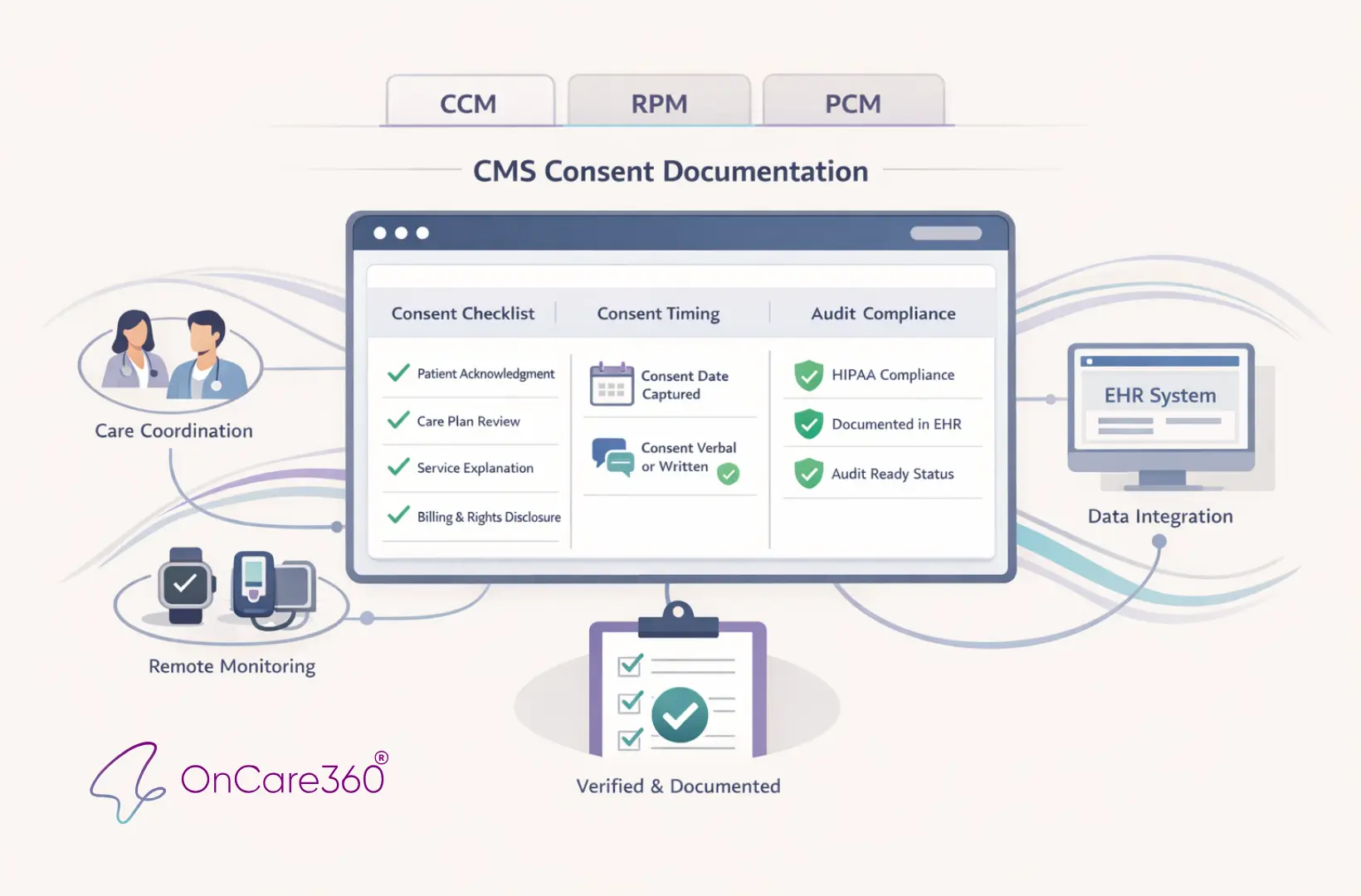
CMS Consent Documentation: What Must Be Captured
Jan 5, 2026
CMS Updates: How RPM is changing in 2026
Jan 3, 2026
How AI Expands Care Coordinator Capacity
Jan 1, 2026
RPM Time Tracking Errors That Lead to Denials
Dec 31, 2025
CMS Consent Documentation: What Must Be Captured
Dec 30, 2025
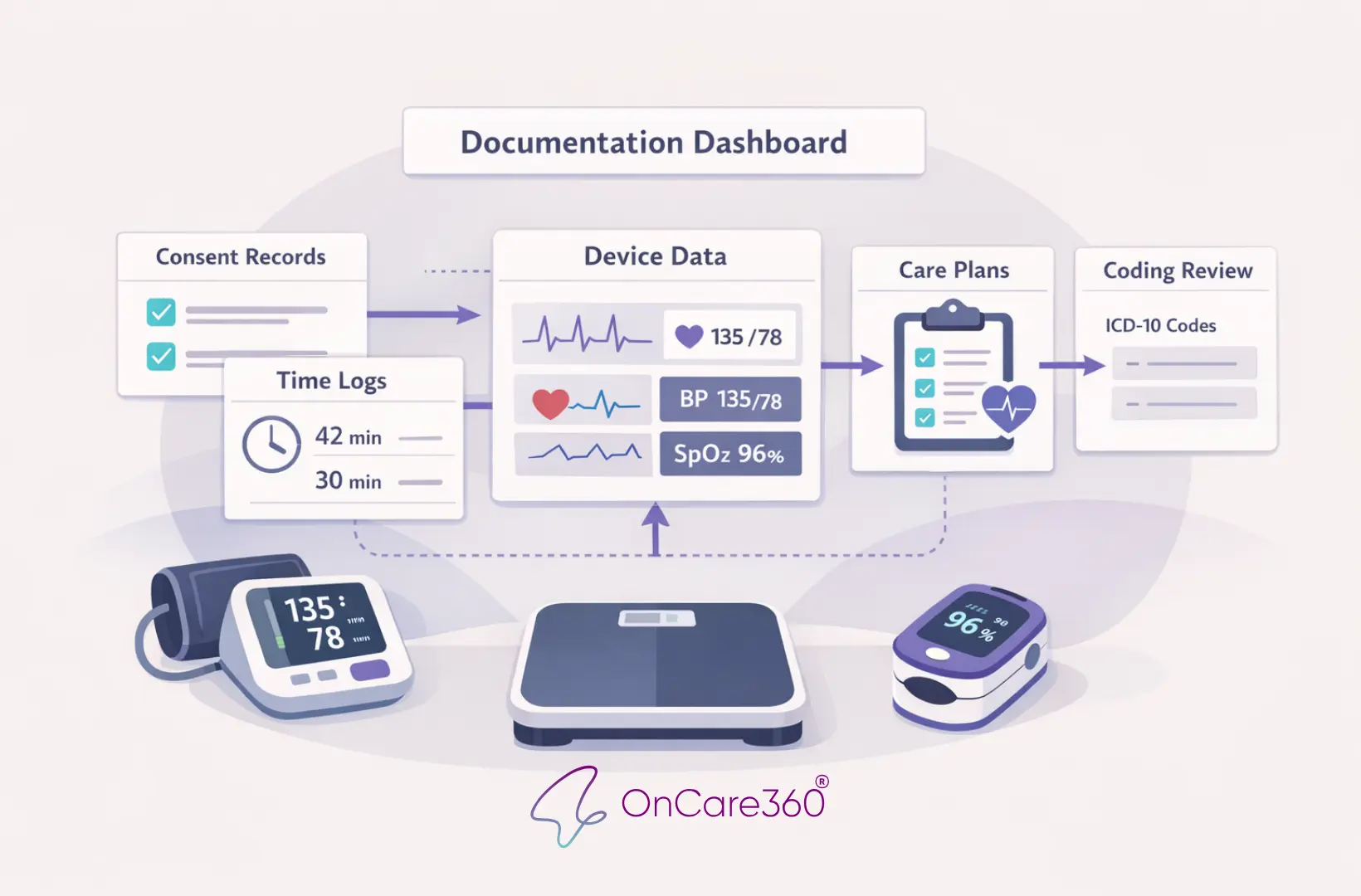
Top 10 Documentation Errors in CCM & RPM
Dec 29, 2025
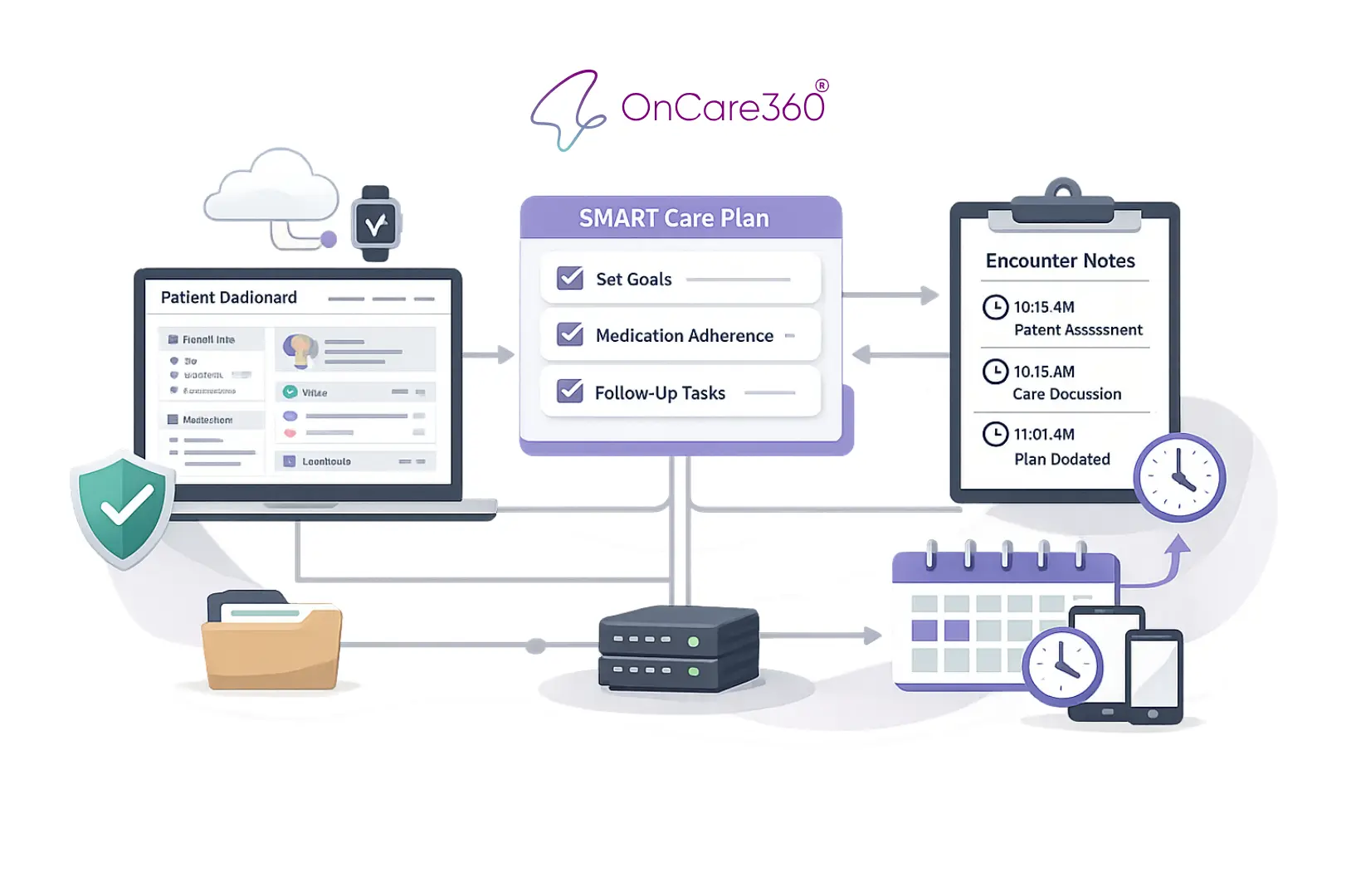
Audit-Ready Documentation: What CMS Expects
Jan 5, 2026
CMS Updates: How RPM is changing in 2026
Jan 3, 2026
How AI Expands Care Coordinator Capacity
Jan 1, 2026
RPM Time Tracking Errors That Lead to Denials
Dec 31, 2025
CMS Consent Documentation: What Must Be Captured
Dec 30, 2025
Top 10 Documentation Errors in CCM & RPM
Dec 29, 2025
Audit-Ready Documentation: What CMS Expects


Have questions?
Are you ready to explore the future of healthcare with OnCare360?
Contact us for more information or request a free consultation today.
Have questions?
Are you ready to explore the future of healthcare with OnCare360?
Contact us for more information or request a free consultation today.
Have questions?
Are you ready to explore the future of healthcare with OnCare360?
Contact us for more information or request a free consultation today.
Have questions?
Are you ready to explore the future of healthcare with OnCare360?
Contact us for more information or request a free consultation today.
Have questions?
Are you ready to explore the future of healthcare with OnCare360?
Contact us for more information or request a free consultation today.
Have questions?